How Gaza has changed the narrative on global Jihad

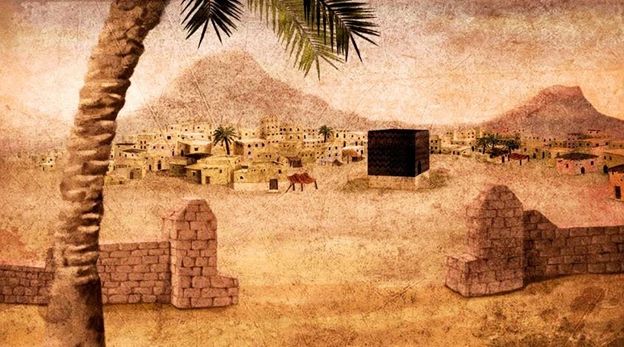
900 years after Saladin conquered Jerusalem, we are seeing a new wave of fatwas issued encouraging jihad in the Holy Land, issued from mainstream institutions, major scholarly bodies, and Islamic scholars internationally. 

By Rashad Ali

Sometime around the beginning of the millennium, the Palestinian-American literary critic Edward Said appeared at an event in London. During the Q&A, he was asked about a military option to liberate Palestinian territory under Israeli occupation. Said replied: “No Salahadin is going to come to liberate Palestine.” Negotiating peace and aiming for a two state solution was the only solution, he argued — at that time, at least. 

This casual reference to the famous 12th century military leader, Salah al-Din al-Ayyubi (aka “Saladin”), shows how deeply etched he is in the minds of Muslims and Arabs, and how easily he is invoked, especially in the context of the Holy Land. After a century of sectarian crusader rule of Jerusalem, it was Saladin who reconquered the Holy Land, securing his enduring heroic image, not only in the Middle East but in European literature, too. Dante, drawing on his reputation as a benign and just ruler, awards him a position of honour in limbo, the highest possible place for a “pagan.” 

In order to reconquer Jerusalem, Saladin had to rally and unite a range of Muslim leaders and fighters, which he did through the use of a fatwa obligating jihad. “Fatwa” has become a contentious word due to high profile cases such as the Salman Rushdie affair, but it is simply a religious ruling in response to a question or issue, from how to pray to launching war. Saladin’s edict made it a religious and moral duty to fight to liberate land occupied by the crusaders. 

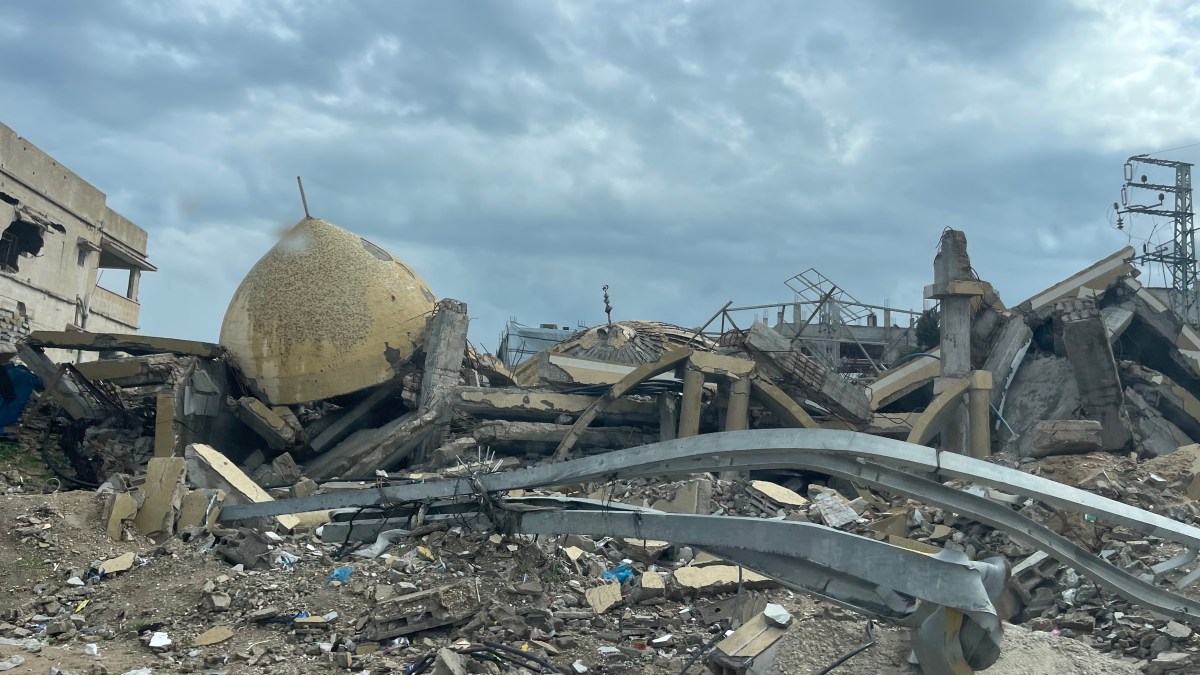
900 years later, we are seeing a new wave of fatwas encouraging jihad in the Holy Land. They are not, as we have come to expect in recent years, from extremist groups like Al-Qaeda, but from mainstream institutions, major scholarly bodies, and Islamic scholars internationally. Furthermore, the rulings are resonating widely, not only with Palestinian-specific militia groups and Islamists, and not restricted to one particular sect or school of thought. This unity and clarity of rulings has major implications for the future of conflict in the Middle East and beyond. Muslim scholars from around the world are arguing that it is not only permitted, but obligatory, to fight against Israel in the light of the ongoing genocide, a call that is unlikely to go unheeded, and could redraw the frontlines of the battles being fought today. 

Continue reading “How Gaza has changed the narrative on global Jihad”

Universal Jurisdiction in Islam

by Rashad Ali

“The 2022 conviction of Anwar Raslan for 27 cases of murder and 4000 cases of torture brought renewed attention to international efforts to bring to justice perpetrators of war crimes, in Syria and elsewhere. This and cases like it are being pursued in Europe under the principle of universal jurisdiction (UJ), which is predicated on the idea that some crimes are so grave that they can be tried outside of the country where they are committed (i.e. extraterritorial).”

So said Syria Justice and Accountability Centre (SJAC). But what does Islamic tradition across traditional and conservative spectrums say?

Islamic ethical and legal discourse on such matters is unclear or not spoken of among Muslims in a Western audience, particularly on the question of seeking redress from international courts, or courts outside of Muslim majority countries. It is doubtful that many Muslims know that there is such a thing as a principle of international justice or universal jurisdiction in the Islamic tradition.

In the hadīth as well as the Qur’an, we are informed that God builds his universe on justice and balance, so we must likewise be fair and just in all our dealings, and we are moreover warned against injustice and its harms. In one hadīth we are informed that God has forbidden injustice on Himself, so we should not oppress each other. Ibn Daqīq al-Īd, hadīth master and jurist explained in his book Shar’h ul-Ilmām[i] that this obligated Muslims to avoid injustice over all of creation, and injustice therefore had a universal meaning, not specific to the particular interpretations of Muslim scholars, but one which was common and customary for all.


Seeking justice therefore was not subject purely to Muslim political jurisdiction; Muslim jurists historically recognised the validity of such ideas, and in fact endorsed such political practices, as respecting international treaties and arbitration, and the rights of people to seek justice through those means. Jurists wrote about and explained specific rulings and edicts, both in what is often referred to as classical times and in contemporary works. We shall see that this is a principle and practice that not only had merit, but is arguably mandatory today in order to redress wrongs and seek such necessities as stopping war crimes and genocides, or at least curtailing them as much as possible.

In light of this I wish to explain by looking at the explicit statements and political pacts the Prophet Muhammad undertook that there was indeed sanction for seeking your rights through all means available to you.

The Pledge of Virtue & justice (Hilf ul-Fudūl)

“Most certainly I bore witness in the house of Abdullah bin Jud’ān to a pact for virtue & justice, if I were to be called to it again I would surely have responded! It is more beloved to me than a herd of precious red camels!”

A hadīth soundly narrated by Imām Bayhaqī and Imām Ahmad[ii] with various routes and versions.

Cited here from his work on governance, al-Ahkām al-Sultāniyya[iii] by Imām Abūl Hasan Alī bin Muhammad bin Habīb al-Basrī al-Baghdādī al-Māwardī, the famous Qādī (judge), faqīh (Jurist), and scholar of the Shāfi’ī madhab (school of thought).

al-Māwardī explained the background to this pact, and its substance:

“In the times of ignorance (Jāhilīyya) [meaning prior to the prophethood of Muhammad ﷺ] leadership spread to the Quraysh, and they witnessed hegemonic behaviour and oppression become widespread, and many claims of wrongdoing, from which none could save them except a powerful executive authority (sultān qāhir). So they made a [social] contract (aqd). In order to deal effectively with the wrongs/oppression (mazālim), and to restore justice to the oppressed from their oppressors.

A man from Yemen had come to Mecca who was wronged and sought redress, and complained how such wrongs could take place in the sacred ‘Haram’ of Mecca. This incident reached the leaders of Quraysh. Al-Māwardī elaborates;

“So Abū Sufyān and al-Abbās bin Abdul-Mu’talib returned money to the man, and gathered the inner sanctum of the Quraysh [Ibn Kathīr[iv] in his Sīrah explains this was the leaders of tribe of Hāshim, Mu’talib, Assad bin Abdul-Uzza, Zahra bint Kilāb and apparently Taym bin Murra].

They pledged in the house of of Abdullāh bin Jud’ān to deal effectively with injustice (rad al-Mazālim) in Mecca; to not oppress anyone, nor prevent them from their rights but to secure the rights of the oppressed for them. The Messenger of God ﷺ was with them that day – before his [worldy appellation to] Prophethood – and was 15 years of age. They contracted (aqadū) the pledge of virtue & justice (hilf ul-fudūl) in the house of Abdullāh bin Jud’ān.

The Messenger ﷺ addressed his companions while recalling that situation:

“Most certainly I bore witness in the house of Abdullah bin Jud’ān to a pact for virtue & justice. If I were to be called to it again I would surely have responded! It is more beloved to me than a herd of precious red camels!””

The notable aspect from a juristic point of view though is what al-Māwardī states after:

“This, even if it was an act in the time of Jāhilīyya, was a matter of public good and a policy of taking care of affairs (siyāsa). One which became by the presence of the

Prophet ﷺ at it, and the strong affirmation of this affair, a religious injunction (hukm shar’ī) and prophetic act.”[v]

Imām Abū Abdullāh al-Qurtubī, the famous exegete (mufassir) and jurist (faqīh) explains the wisdom behind this further, that the prophet ﷺ forbade tribal pacts where one supports and fights for tribes or your allies in other tribes whether right or wrong. These were condemned, yet this was different because in the Imām’s words:

“The Wisdom (Hikma) in that is the Sharīah came to provide aid against the oppressor and sought to restore your rights from them. By granting such rights to the oppressed, in fact it obligated that as a matter of principle in the Sharīah it was a comprehensive duty, upon all morally responsible and capable of doing so, to do. In order to make for [the oppressed] a way against the oppressors, as found also in

the sound [hadīth], his ﷺ saying: “help your brother whether oppressor or oppressed”. To which they said: “O Messenger of God ﷺ [we understand] this regarding helping he that is oppressed, but how do we help the oppressor?” He said: “grab hold of his hand!” And in another narration “stop him from his tyranny! That is aiding him!”.[vi]

What did such a pact entail? Scholars of hadīth as well as specialists in Qur’ān exegesis have elaborated on this in their respective works.

Ibn ul-Athīr al-Jazarī, the hadīth master (Hāfidh) and commentator (Shārih), explains this in his compendium of the sunan collections of hadīth the ‘Jāmi’ ul-Usūl’: “In principle/origin (asl) hilf means: contracting a binding agreement (mu’āqada), and a solemn mutual oath (mu’ahada) to mutually support, and provide material aid to one another, and mutual understanding (ittifāq). What normally existed in Jāhilīyya was upon strife (fitan) and warfare between tribes and raiding(!), so for this reason these were forbidden in Islam by his saying [i.e. of the Messenger ﷺ]: “there are no pacts in Islam”. As for what existed in Jāhilīyya from such pacts for coming to the aid of the oppressed (Nasr ul-Mazlūm), maintaining of ties, like the Hilf of the nobility (Mutayyabīn) and what continued as such, this is what was spoken of when he [the Messenger] ﷺ said: “any (just) pact in Jāhilīyya is not increased in Islam but that is affirmed strongly”. What is meant is: mutual agreements upon good, supporting truth and rights (haq), and by this we reconcile the two hadīth.”[vii]

So Ibn ul-Athīr explains the apparent contradiction here by explaining what Islam condemned was the idea of my tribe and their allies right or wrong – a tribalism or nationalism or even an “us and them”, irrelevant of morality, and the justness of actions and parties. Rather they could only be based on principle, and when such pacts were made on principle, in the example given, one of justice and stopping oppression such a pact should be and in fact must be upheld and promises or “contracts”, or agreements must be fulfilled.

So the pacts across polities between different authorities were recognised by the Sharīah as valid and binding in medieval times, even with states and authorities that were not ruled by Muslims, and it was irrelevant if oppressors/wrong-doers were Muslim or non-Muslim. Such political agreements were ones which should be enforced by mutual cooperation across state-lines by all parties who had come into such agreements, especially when related to stopping tyranny and oppression; war crimes as an example, especially when reaching genocidal levels, would be an absolute necessity (darūra) recognised by the Sharīah. This is emphasised by the fact that the Prophet himself stated he would respond if the pagan leaders of Mecca, the tribal leaders of Quraysh, called him, and he would cooperate with them in bringing justice to people.

Historians noted that the companions of the Prophet upheld such a conception within their politics too. So that anyone wronged could call upon the tribes sworn to uphold this pact, and they would respond. When Walīd was the ruler of Medina, Husayn bin Ali (as) had a financial grievance where his rights were being suppressed by Walīd, so Husayn swore: “by Allah, either you rule with justice or I shall carry my sword to the Prophet’s Mosque and call on the alliance of virtue!” Abdullāh bin Zubayr (ra), another companion of the Messenger of God, said: “I too swear that if Husayn calls on us then I shall raise my sword until he gets his right justly or we die together!”.

The news reached Miswār bin Makhrama (ra) and Abdullāh bin Uthmān bin Ubaydullāh al-Taymī and they also said the same – as representatives of each tribe. When Walīd heard this he gave Husayn his right justly. This is recorded by Ibn Is’hāq the historian and biographer of the Prophet, and Imām Abūl-Abbas al-Qurtubi in his commentary on the hadīth in Sahīh Muslim.[viii]

The political connotations, seeking of justice, even for mere injustices related to individual rights and financial matters, was a part of the political and moral outlook of the companions. This was what was understood from the social contract alluded to by the Prophetic example.

International Agreements & Courts

Shaykh Wahba Zuhaylī, the jurist who specialised in comparative law, states the following in his ground breaking work ‘Athār ul-Harb fil-Fiqh al-Islāmī’, a work on international norms and law related to war, that arbitration in matters related to international disputes, war and suppression of treaty rights and agreements, particularly ones agreed to by international agreements such as on war crimes, and stopping injustice, and belligerent behaviour, was something recognised by the Sharīah. The principles (qawā’id) and aims (maqāsid) of the Sharīah, particularly reducing “spilling of blood” and “saving lives”, meant any such arbitration in line with these aims was valid. He states that the Prophet ﷺ himself appointed people to arbitrate in a well known hadīth, and that these arbitrators state explicitly that they were giving people their judgement and their word, not the word of Allah and His Messenger ﷺ , and ended in one narration with “then judge between them as you wish”. The treaties were negotiated and agreed upon, like that of the famous Treaty of Hudaybiya with the pagans of Mecca and his fledgling City-State of Medina, and enforced mutually. He cites the Mālikiyya, specifically al-Khirashī, as permitting even the non-Muslim to judge between them when there was a pressing ‘Maslaha’ (interest/need).

He explains: “what is a well known [practice] between contemporary States in agreeing to a formal plan of arbitration is that it is defined by the principles agreed to by both parties… and we do not have any conflict with such agreements from the standpoint of Islam, because for any agreement that does not violate the definitive [injunctions within] texts it is obligatory (yujib) to be faithful to them.”[ix]

He also states: “…as long as contracting parties are free to stipulate whatever conditions they choose in the agreement, there is nothing to prevent them in our view from implementing the legal principles agreed upon in judgement/arbitration in modern States.”[x]

Specifically regarding international agreements and the UN he states: “Therefore Muslims – by their membership of the United Nations… which in general (jumla) does not negate or conflict with laws of Islam, and is established overridingly (ghālib) on the basis of justice and equality or is organised by mutual agreements and treaties (mu’āhadāt)… [as such] the principles of arbitration/judgment in the International Court of Justice are not outside of these agreements by States, or international norms which all states adhere to, or a principle from principles of justice and fairness; these are matters no one disagrees with…”.[xi]

Seeking judgements from courts and states from outside states

The universality of jurisdiction in such matters would also be deemed as a necessity, and is a matter which jurists have discussed previously and in more recent times, due to necessity and public interest. Such needs and interests may require that we do so when not all Islamic standards can be met, even under a Muslim Polity when seeking an Islamic judgment on your rights. Muslims may well be required to take the judgment of a court or a judge which does not meet the ideal standards, for example a judge lacking probity or even Islam, as stated by the famous jurist and celebrated scholar of Islam, al-Ghazālī.[xii]

Dr Zuhaylī also states that a resolution of the ‘Majmā Fiqh al-Islamī’ adopted this view as a necessity today (darūra aw hāja) in one of its decisions (qirarāt) – and was agreed upon by the scholars present.[xiii] They enunciated a general principle: “when there is no court from an Islamic authority it is allowed for a state or Islamic institution to seek a court judgement from a court outside of an Islamic authority in order to seek what is valid from the Sharīah”.[xiv]

As such, criminals, war mongers and genocidal dictators who violate every single moral law and precept are naturally subject to what are deemed reasonable laws agreed upon by states and nations.

Whether this is trying war criminals for crimes they have committed or those accused of genocide, be they Israeli political and military personnel, the former Syrian government or those in other conflicts where such hideous crimes are being perpetrated such as in Sudan or Myanmar, be it in international courts, or in other states, seeking such redress is not only valid and in agreement with Islamic goals and values, but also may well be a necessity.

Epilogue

Muslims as a minority community seeking their rights and negotiating them and laws for their protection, political engagement and activism during the time of the Prophet

Ibn Kathīr[xv] brings a narration in his Sīra from Ibn Asākīr[xvi], who states it had a hasan (good) but singular (gharīb) chain that when the Muslims fled to Abyssinia seeking protection, they presented themselves to the court of the Christian Negus [King] after the Quraysh sent a delegate to ask for them to return the migrants. The Negus refused to return them back and said he would wish to hear from them.

They came to the court, refused to bow to him saying they bowed only to God, so refused to compromise the acts which were tenets of their faith. They then explained their faith and beliefs, including when prompted their belief that Jesus was a Spirit of God, bestowed on the Virgin Mary.

He promised them protection and gave them basic items such as food and clothing. He then asked whether anyone had harmed them and they said they had been harmed. It was then announced that if anyone harmed them such a person would be fined four gold pieces. They were asked is this acceptable, they replied “No!”. So the fine was doubled!

They negotiated a better deterrent as a decree/law with the Negus in his court until they were happy. They stuck to their faith. They explained their beliefs. They did not demand more than their basic interests be looked after and protected and were not to be harmed by the Negus, and his system placed measures and decrees to protect them from harm. They engaged and negotiated such a general status and specific decrees to protect them until both were happy.

When they heard of the defeat of those who were persecuting Muslims, killing them and that they had been fought and defeated, they explained they had a desire to go to join the Prophet ﷺ in his new Citadel, Madīna ul-Nabī. The Negus wished them well, and sent them on their way.[xvii]


[i] Ibn Daqīq al-Īd, Muhammad  bin Alī bin Wahb al-Qushayrī, page 183, 2009, ‘Shar’h ul-Ilmām’, Dār ul-Nawādir, Kuwait-Syria-Lebanon

[ii] Musnad 1/190-1 cited by the editor of al-Ahkām al-Sultāniyya (see note iii)

[iii] al-Ahkām al-Sultāniyya wal-Wilāyāt ul-Dīniyya page 151, Dar ul-Kitāb ul-Arabi, Beirut-Lebanon 1410H/1990CE

[iv] al-Sīrah ul-Nabawī 1/259 & Ibn Hishām 1/123 – editor’s note

[v] page 151-2

[vi] see any of the prints of ‘al-Jāmi’ Ahkām ul-Qurān’, the chapter of al-Nahl verse 91

[vii] ‘Jāmi’ ul-Usūl fī Ahādīth al-Rasūl’ volume 5 page 49-50 of Imām Majd ul-Dīn Abī Sa’ādāt al-Mubārak bin Muhammad Ibn ul-Athīr al-Jazarī, Dar Ibn Kathīr Damascus/Amman – Syria/Jordan 1437H/2016CE

[viii] ’al-Mufhim limā Ashkala min Talkhīs Kitāb Muslim’ volume 6 page 483, Imām Abī’l Abbās al-Qurtubī, Dār Ibn Kathīr, Beirut-Lebanon

[ix] page 768

[x] ibid

[xi] page 769, ‘Athār ul-Harb fil-Fiqh al-Islāmī – (Dirāsat Muqārana)’, By Dr Wahba Zuhaylī, Dar el-Fikr,

Damascus-Syria 1419H/1998CE

[xii] cited by Dr Wahba Zuhaylī in his work ‘Qidāya al-Fiqh wal-Fikr al-Mu’āsir’ pages 730-732, Dār al-

Fikr, Damascus-Syria 2006

[xiii] ibid

[xiv] ibid

[xv] al-Bidāya wal-Nihāya volume 2 [part 3] pages 76-77 Imād ul-Dīn Abūl-Fidā Hāfidh Ismā’īl Ibn Kathīr al-Dimishqī died 774H (1373CE) Dār ul-Kutub ul-Ilmīyya

[xvi] there are of course many sahīh reports of this but this is a summary of that specific narration

[xvii] See fn xv
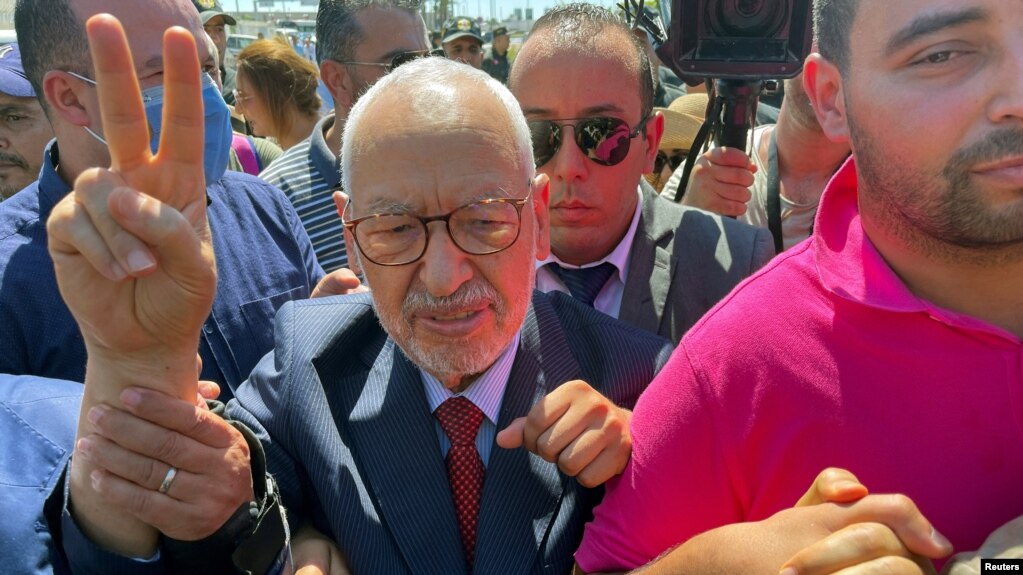
Rachid Ghannouchi’s letter from a Tunisian Prison

by Rashad Ali

I recently attended a talk by Andrew March on his book On Muslim Democracy, which describes the journey from what he calls Sovereigntist Islamist Democratic ideas to post-sovereigntist and post-Islamist ideology of Shaykh Rashid Ghannouchi and the Ennahda Party. The evolution of Ghannouchi’s ideas, the struggle for democracy and human rights, and his transformation from Islamist ideologue to Muslim Democrat is arguably one of the most significant developments in contemporary Islamic political thought. 

The event was also attended by Ghannouchi’s close confidante, associate, and student Ahmed Gaaloul. He read out a letter which takes on greater significance in the context of Tunisia’s authoritarian turn and jailing of opposition figures, including Ghannouchi and Saed Ferjani, constraining the judiciary and imprisoning judges such as Bechir Akremi.

Prefacing the letter, Ahmed Gaaloul said that the letter was in response to a question about his advocacy for democracy and consensus, since it did not help him. Rather, he ended up imprisoned and no one stood with him. Doesn’t this mean that the values he calls for have failed, illustrated further by the crime to which the Palestinian people are exposed ?

Here is Ghannouchi’s letter in response:

Friday, February 16, 2024

I am in prison today because I called for the values ​​of national democracy, which is part of universal democracy, and because the conflict in Tunisia is a conflict between democracy and non-democracy. 

Some of the enemies of democracy rely on modernity as a basis to exclude Islamic opponents. We in Tunisia were founded on the values ​​of Islam, and we do not find any justification to exclude those who disagree with us or those who believe in Islam with a different vision, because we do not see that there is an official spokesman for Islam.

I am in prison because a significant portion of the so-called Tunisian modernists are non-democratic. They call for a democracy that is just for them, an exclusionary democracy. Whereas We are in a struggle for a Tunisia for all and for a democracy that includes everyone inside Tunisia and outside Tunisia.

The country today is governed by the dualism of good and evil, right and wrong, patriotism and treason. This is the essence of the coup of July 25, 2021: the monopoly of patriotism, the monopoly of Islam, and the monopoly of righteousness. Therefore, the existing regime is in a relentless war against democracy in all its meanings. This approach cannot bring Tunisians together because God created people different.

The current system sees difference as a curse, but we see it as a mercy.

Palestine exposed the shortcomings of democracy within the framework of the nation state. 

Democracy, as a mechanism, is one of the best mechanisms that the human political mind has produced for consensus and reaching settlements between differences and a way to resolve disputes away from violence.

But when democracy is confined to a particular group and is imprisoned within the trenches of nationalism, race, and color, its mechanisms break down in more than one case, especially in the face of major challenges such as the Palestine question.

The flaw, then, is not in the idea of ​​democracy, but in the idea of ​​the nation-state outside the framework of ethics and the values of equality for all human beings. There is no framework for ethics outside the framework of man as God’s khalifa / vicegerent on earth, the one who is entrusted to look after this world. Therefore, we demand democracy and add it to our understanding of Islam so that it emerges from the confines and the narrowness of the individual and the group to the vastness of humanity.”

The letter in Arabic:

هذه الرسالة جاءت ردا من الشيخ راشد على سؤال وجهته له وهو في سجنه قبل مداخلة مبرمجة في احدى الندوات المخصصة لتقديم الكتاب الاخير “المسلمون الديمقراطيون” مع اندرو مارش.

تمثل السؤال في ان وضعه هو في السجن وهو الداعي للديمقراطية والتوافق، لم يشفع له بل انتهى سجينا ولم يقف معه احد ألا يعني هذا ان القيم التي يدعو إليها فشلت خاصة في ضوء التناقض القيمي الذي يعيشه العالم في ضوء الاجرام الذي يتعرض له الشعب الفلسطيني والاخلال القيمية التي تعرفها المنظومة الغربية ما يشكك في منظومة قيمها وفي الديمقراطية. فكان رده في الرسالة التالية:

 الخميس 15 فيفري 2024

أنا في السجن اليوم لاني دعوت إلى قيم الديمقراطية الوطنية وهي جزء من الديمقراطية الكونية للإنسان ولأن الصراع في تونس هو صراع بين الديمقراطية و اللاديمقراطية .

إن أعداء الديمقراطية يعتمدون الحداثة كقاعدة لإقصاء الخصوم الإسلاميين، ونحن في تونس وجدنا تقريبا بسبب أننا انطلقنا من قيم الإسلام ولا نجد مبررا لإقصاء من يخالفنا أو من يؤمن بالإسلام برؤية أخرى، لأننا لا نرى أن هناك ناطقا رسميا باسم الإسلام . 

أنا في السجن لان قسما كبيرا من الحداثيين غير ديمقراطيين، هم يدعون الى ديمقراطية تخصهم ديمقراطية إقصائية . 

نحن في نضال من أجل تونس للجميع ومن أجل ديمقراطية تسع الجميع داخل تونس وخارج تونس .

البلاد محكومة اليوم بثنائية الخير والشر، الحق والباطل، الوطنية والخيانة، هذا هو جوهر انقلاب 25 جويلية 2021: احتكار الوطنية واحتكار الإسلام واحتكار الصلاح. لذلك النظام القائم هو في حرب لا هوادة فيها ضد الديمقراطية بكل معانيها. ولا يمكن لهذا المنظور ان يجمع التونسيين. لان الله خلق الناس مختلفين، هو نظام يرى الاختلاف نقمة أما نحن فنراه رحمة. 

إن فلسطين فضحت ليس الديمقراطية فقط وإنما الرؤية القومية للديمقراطية: nation state.

الديمقراطية ،كآلية، من أفضل ما أنتج العقل البشري السياسي من آليات للتوافق والوصول الى تسويات بين المختلفين وسبيل الى حسم الخلافات بعيدا عن العنف.

ولكن عندما حشرت وسجنت في خندق القومية والعرق واللون تعطلت آلياتها في أكثر من حالة خاصة أمام الامتحانات الكبيرة مثل امتحان فلسطين. 

الخلل اذا ليس في فكرة الديمقراطية ولكن في فكرة “الدولة القومية خارج اطار الاخلاق”، ولا إطار للأخلاق خارج إطار الانسان خليفة الله في الأرض لذلك نحن نطالب بالديمقراطية ونضيفها لإسلام يخرج من ضيق الإنسان (الفرد) إلى سعة الإنسانية.

A Protest for Ukraine free of Dogma and Cynicism

by Rashad Ali

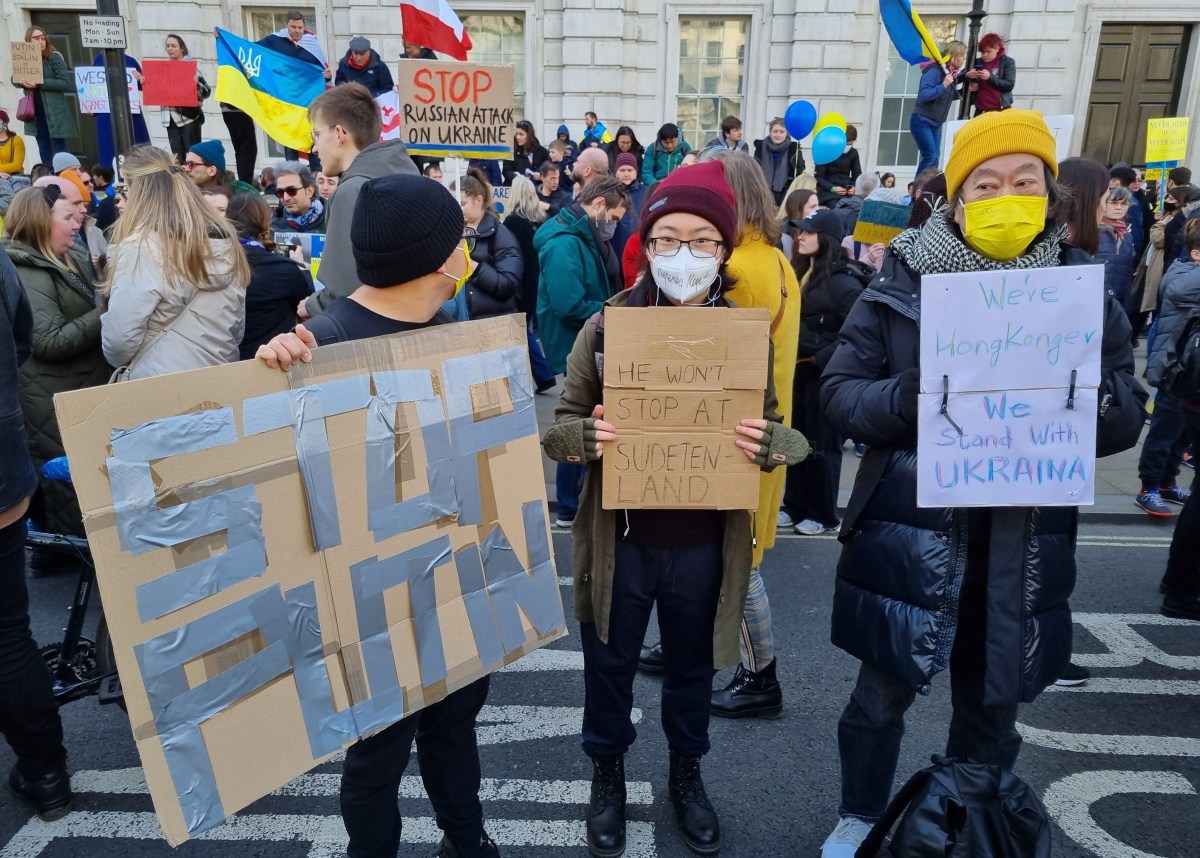
Thousands gathered in London to express their feelings of palpable pain, anger, and frustration at the invasion and attempted take over of Ukraine by Putin and his regime. Yet the spirit of defiance, indignation, hope and camaraderie were much more poignant. It is the latter that dominated the will of some 8,000 plus protestors throughout the day. In front of Downing Street with the backdrop of a symbolic Big Ben and the Houses of Parliament. This is conservative estimate as there were people coming and going throughout the day.

This was a different atmosphere than many other protests I had attended. Ukrainians were well represented, the chants were led by Ukrainians, and clear-cut demands were made. There was no feeling of political partisanship. People came out as people, not as left or right, nor were they led by professional activists. They had nothing in common with the contorted ideology of the misnamed “Stop the War Coalition”. This was genuinely grass roots.

Continue reading “A Protest for Ukraine free of Dogma and Cynicism”

Tunisia and the Spectre of Authoritarianism

By Rashad Ali

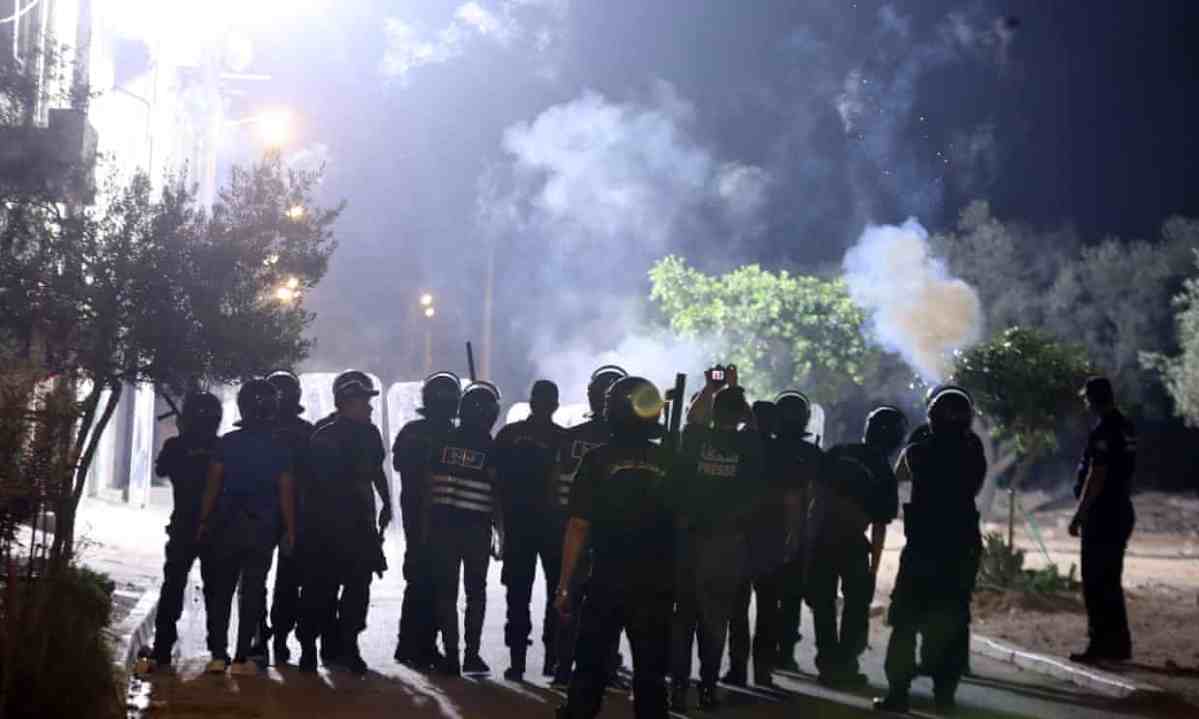
Following the death of a man in police custody, demonstrations against police brutality have spread throughout working class neighbourhoods in Tunisia’s capital of Tunis. The death of Ahmed bin Ammar two weeks ago, sparked protests and reactions across the society with people questioning the gains of the Democratic transition – especially after accusations of torture have been levelled against the Police. 

Protests in Tunisia are emblematic of the post-revolutionary political reality. While this shows that following the revolution and democratic transition, people enjoy a certain level of freedom of expression. However since January their focus has been police brutality. While this problem is not unique to Tunisia, since even established democracies have failed to eliminate police brutality. But there is some hope to be gained from the fact that people in the post-revolutionary phase have low tolerance for such things, that they are able to protest such actions, and that there has been a general decrease in police violence since the revolution.

In this latter sense, it is probably a good thing that post-Arab Spring Tunisians, on this issue at least, feel comfortable expressing their outrage at the police and the way they are being governed. 

But the protests were followed by arbitrary police arrests and then, perhaps worse, brazen police defence of their actions, and encouragement to save the office of the President, by the President, who instead of holding the Minister for Justice and Home Minister to account, lambasted them for not arresting more individuals for insulting him and bringing injury to his office (more later).

Continue reading “Tunisia and the Spectre of Authoritarianism”

“Undignified”, “humiliating”, “belittled”—BAME experience at the BBC

A source at the BBC has leaked us this resignation letter that someone sent out to all employees. The experiences described herein stand in stark contrast to the commitments the BBC made towards its BAME staff.

Dear all,

As a woman of colour I already know what it’s like to live in a world of systemic sexism and racism. Being a freelancer at the BBC brought another layer of discrimination, culminating in the current neglect of freelancers during a global pandemic.

I don’t want to continue at the BBC in this undignified capacity; undignified because management has undermined mine and PAYE freelancer’s dignity. We feel our concerns over furlough, our livelihoods, our health and financial security, have not mattered. Hiding behind feigned sympathy for our plight and tossing us a few shifts – that could only be acquired through a humiliating process given the machiavellian antics of our scheduler – and knowing full well we were struggling to make ends meet is not how a caring employer behaves.

Having experienced the language services who did not offer their producers much better than a glorified translator’s role while also subjecting them to different social rules than the country they’re working and living in, I was hoping my time in the world newsroom would be more fulfilling.

Continue reading ““Undignified”, “humiliating”, “belittled”—BAME experience at the BBC”

Satis House: On a Women’s Revolution

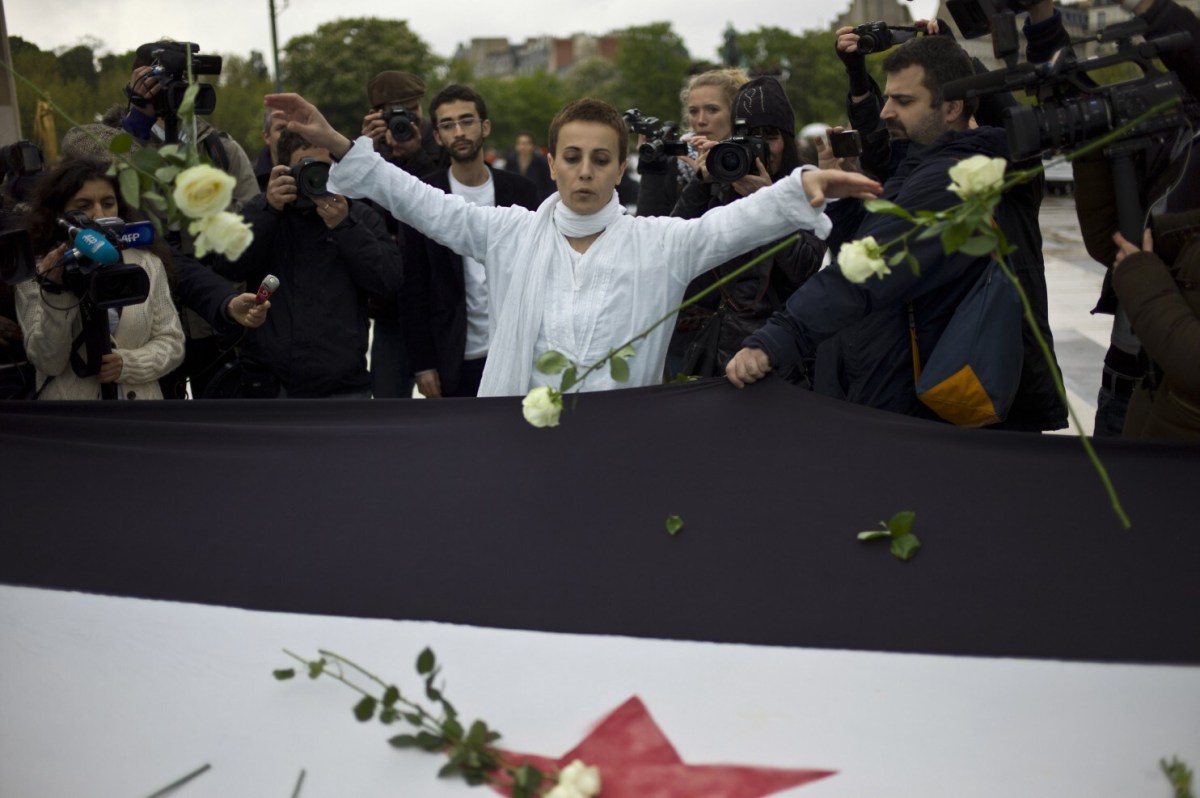
(Photo: Fadwa Suleiman at a protest in 2012 photographed b Thibault Camus for AP)

By Farrah Akbik

It was as if I were stepping onto the page and walking into Satis House¹.  A decrepit old house perched upon a ridge in Al Kiwan, overlooking the Ottoman Railway that snaked down towards the Barada.  A house that echoed former glory and youth that was now a mausoleum to my two great aunts and their stale virginity.  Siba and Amina were as dilapidated as their abode.  Two spinsters forgotten by time, mixed in with their trinkets and clutter, dressed impeccably to mirror each other.  Pressed pleated skirts, bespoke handmade shoes from the Armenian cobbler, silk scarves perched upon their heads.  I sat there in awe of them as they followed my aunt to the kitchen making sure she didn’t whisper any evil omens into the coffee pot.  The threadbare nets billowing like Miss Havisham’s² decaying wedding dress in the heat of the Damascus breeze. The walls hunched over struggling to carry their weight, as if waiting for Siba and Amina to leave.  ‘This is what awaits young girls that are too highly strung!’ my aunt Rabia whispered in my ear.  Siba placed two gold bangles on my eight-year-old wrist, her sinewy witch-like fingers travelling up to my face as she examined me intently.  ‘She is dark like her Moroccan mother, but tolerably pretty.’  It was common enough for remarks to be made about my appearance as if I were not present, and with time it became apparent what was expected of me.

Patriarchy was a bitter poison that I couldn’t swallow.  Born and raised in England, I arrived in Damascus at the age of sixteen.  Everything was a shock to my system, and nothing more than having to run the gauntlet of the restrictions of my sex. It was summer and my aunty Zahra was ecstatic at the prospect of having a new charge to marry off.  I remember the heavy oak lounge door sliding open – my cue to totter in in a pair of hideous heels hastily bought the day before, trying to balance the mandatory tray of tar-like coffee as the potential groom and his mother stared at me intrusively.  He was a pompous doctor of 32.  ‘What are your ambitions in life?’ he asked. My face burned with humiliation as I felt him lay judgement.  What I should have said is, ‘It’s my ambition to one day write an article so I can highlight what an imbecile you are!’

Continue reading “Satis House: On a Women’s Revolution”

Bosnia, Kosovo, Syria: Western Inaction and Radicalisation

By Rashad Ali

Since the 7/7 terrorist attacks in London, it has been commonplace to hear it argued that the “root cause” of terrorism is Western foreign policy: and specifically, the interventions in Afghanistan and Iraq.

Radicalisation is not monocausal. Ideological, personal and psychological factors all have a role to play in the process. But if we are to note the occasions where grievances related to Western military action have been used by Islamist demagogues, we should also acknowledge Western refusal to intervene as a recruiting sergeant for terrorism.

Think of the Bosnian and Kosovo tragedies. Think also about the current situation in Syria.

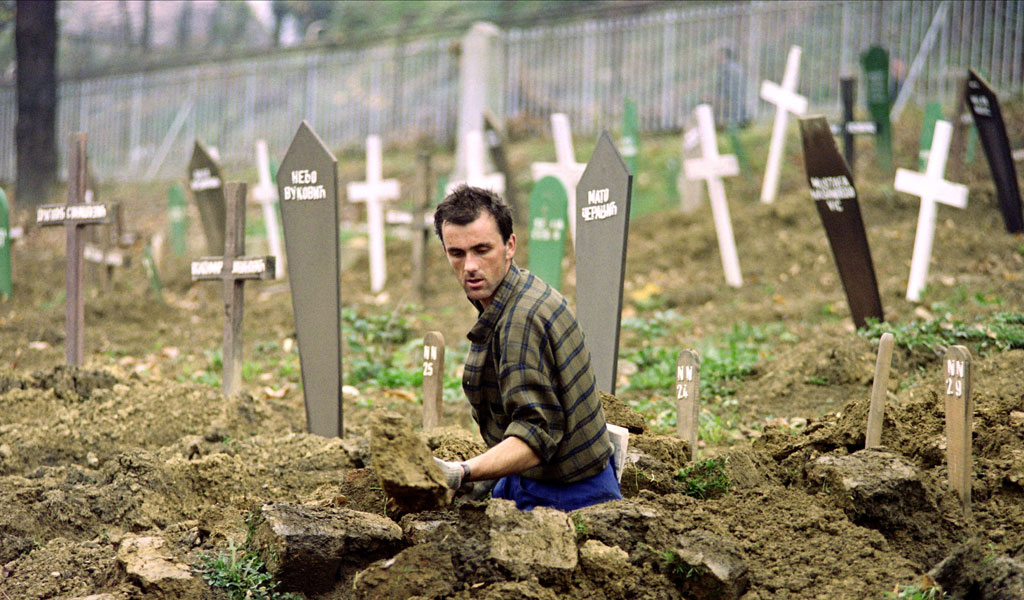
My political development began during the horrors that followed the dissolution of Yugoslavia. We watched the genocide in Bosnia unfold, on TV, before our eyes. It was this experience that led so many of my peers from radicalisation to political violence and Islamist extremism.

Continue reading “Bosnia, Kosovo, Syria: Western Inaction and Radicalisation”

How Social Media Companies Enable the Far Right

By Mathew Foresta

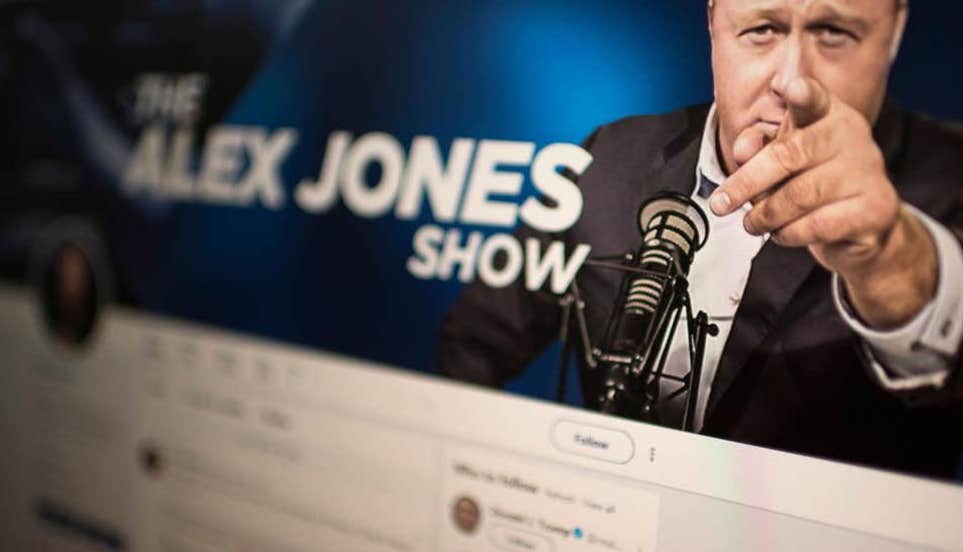
The far-right is as active as ever on social media and host companies have been gallingly slow to respond.  This negligence reveals their complicity.

“I would say probably YouTube has been the least responsive in terms of getting rid of the stuff,” said journalist David Neiwert, author of “Alt-America: The Rise of the Radical Right in the Age of Trump.” He singled out the comments sections as particularly troublesome.

Other experts pointed out certain users of the video sharing site as being especially problematic.

“Why in the world is Red Ice TV still on YouTube,“ said Air Force veteran Daryle Lamont Jenkins, Executive Director of the anti-racist group One People’s Project.

The Sweden based Red Ice is operated by the married team of Henrik Palmgren and Lana Lokteff. The racist, anti-Semitic, xenophobic, and fascistic operation currently boasts over 334 thousand subscribers on the site. It evolved from its beginning as a peddler of conspiracy nonsense to the major platform for bigotry it is today. So major in fact that that Congressman Steve King retweeted Lokteff in September 2018.

Continue reading “How Social Media Companies Enable the Far Right”

Are purveyors of fake news endangering the lives of real journalists?

By Mathew Foresta

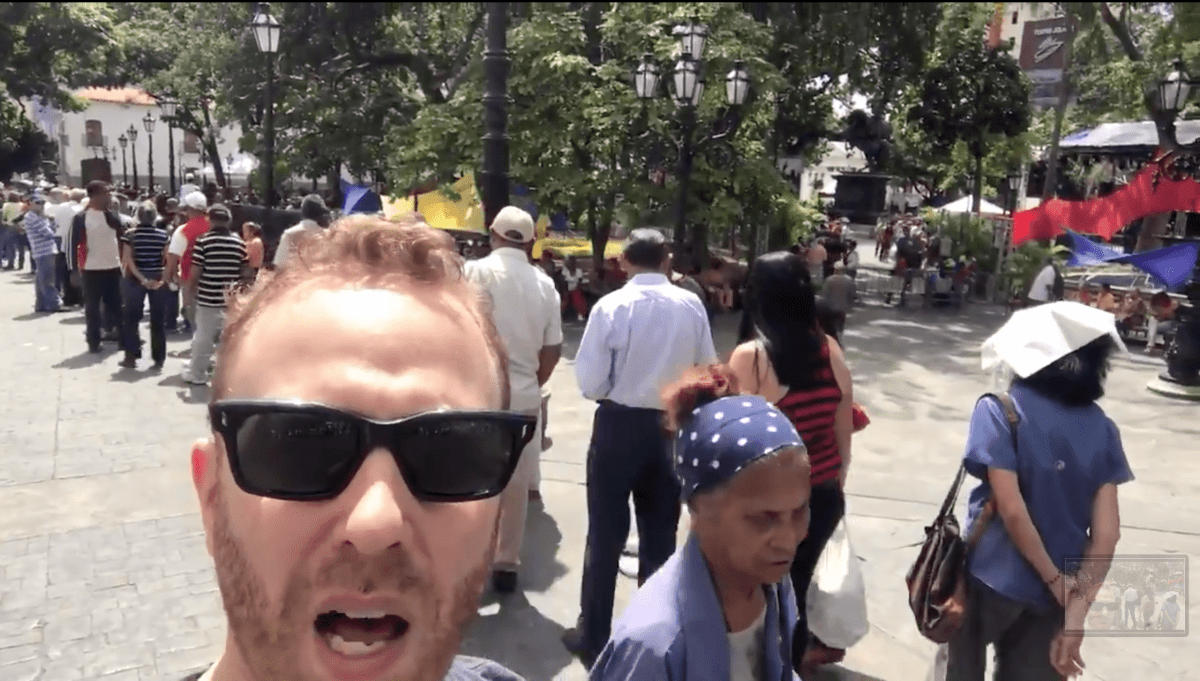
Earlier this week Univision journalist Jorge Ramos and his crew were detained by Venezuelan authorities. According to Ramos this was a reaction to some uncomfortable questions he asked Venezuelan leader Nicolas Maduro during an interview. Ramos detailed his experience being detained and having his crew’s equipment and electronic devices seized in an Op-Ed for The New York Times.

It took little time for Maduro’s American supporters to initiate a smear campaign against the journalist.

At the vanguard of all this is Grayzone Project editor Max Blumenthal, a blogger with a history of ethically questionable behavior. The Daily Beast’s Charles Davis reported that Dania Valeska Aleman Sandoval was tortured for protesting the regime of Nicaraguan leader Daniel Ortega. Blumenthal’s Grayzone Project used video of her torture extracted confession to criticize those opposing Ortega’s regime. Additionally, he tweeted a picture of himself with a bag over his head to mock a report that Syrian civilians were desperately trying to make homemade gas masks. Journalist Sulome Anderson recently announced she was suing Blumenthal and Norton “for libel and defamation.”

Blumenthal was amongst a group of reporters questioning Ramos after his return to Miami.

Continue reading “Are purveyors of fake news endangering the lives of real journalists?”