
Here’s today’s Guardian article in its pre-sub-edited form.
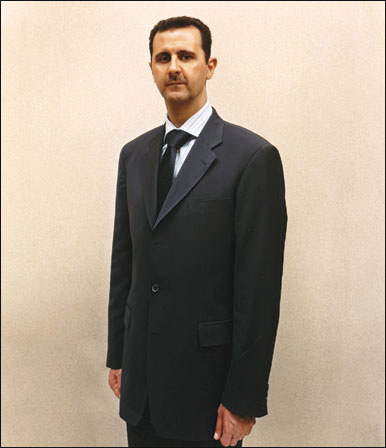
Last January Syria seemed, along with Saudi Arabia and other Gulf states, to be amongst the least likely candidates for revolution. If President Bashaar al-Asad had run in a real election, he may well have won.
It’s difficult remembering it today: most Syrians did grudgingly credit the regime with ensuring security and prosecuting a vaguely nationalist foreign policy. It’s that keen desire for security, the overwhelming fear of Iraq-style chaos, which keeps a section of Syrians fiercely loyal to the regime even now.
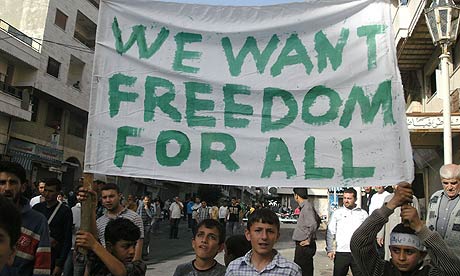
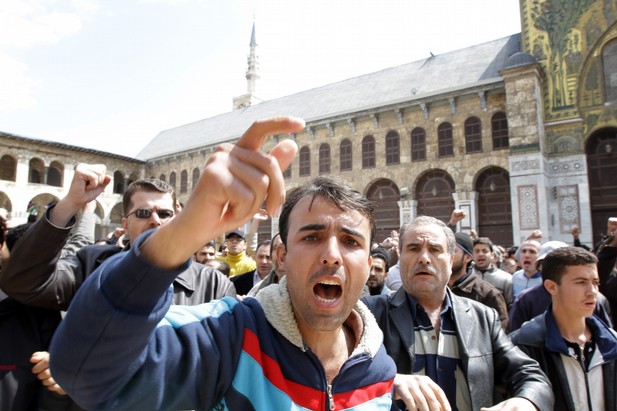
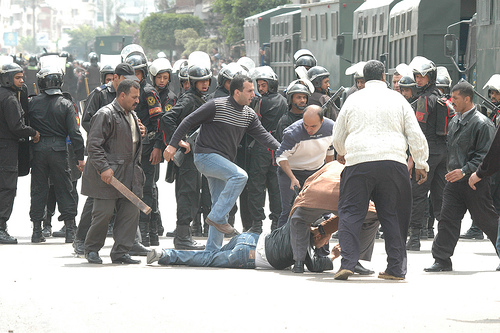
To start with, although they were inspired by revolutions in Tunisia and Egypt, most protestors didn’t aim for regime change. The first demonstration – in the commercial heart of Damascus – was a response to police brutality. That one ended peacefully, but when Dera’a protested over the arrest of schoolchildren the regime spilt blood. Outraged, communities all over the country took to the streets, and met greater violence, which swelled the crowds further. A vicious circle began to spin. All the intelligence, and the nationalist pretensions, peeled away from the government to reveal a dark and thuggish core.



 P U L S E