by Rashad Ali
I recently attended a talk by Andrew March on his book On Muslim Democracy, which describes the journey from what he calls Sovereigntist Islamist Democratic ideas to post-sovereigntist and post-Islamist ideology of Shaykh Rashid Ghannouchi and the Ennahda Party. The evolution of Ghannouchi’s ideas, the struggle for democracy and human rights, and his transformation from Islamist ideologue to Muslim Democrat is arguably one of the most significant developments in contemporary Islamic political thought.
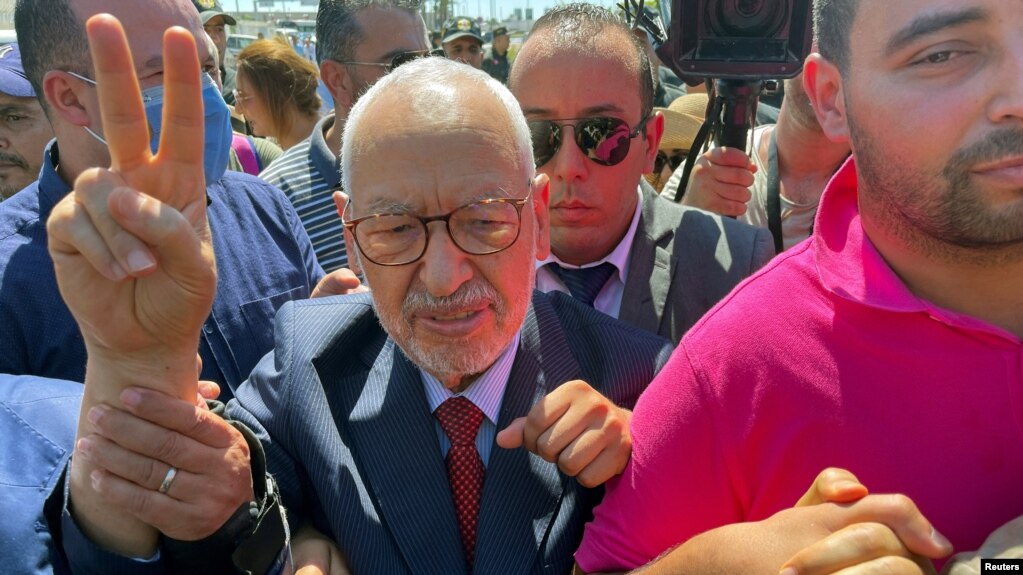
The event was also attended by Ghannouchi’s close confidante, associate, and student Ahmed Gaaloul. He read out a letter which takes on greater significance in the context of Tunisia’s authoritarian turn and jailing of opposition figures, including Ghannouchi and Saed Ferjani, constraining the judiciary and imprisoning judges such as Bechir Akremi.
Prefacing the letter, Ahmed Gaaloul said that the letter was in response to a question about his advocacy for democracy and consensus, since it did not help him. Rather, he ended up imprisoned and no one stood with him. Doesn’t this mean that the values he calls for have failed, illustrated further by the crime to which the Palestinian people are exposed ?
Here is Ghannouchi’s letter in response:
Friday, February 16, 2024
I am in prison today because I called for the values of national democracy, which is part of universal democracy, and because the conflict in Tunisia is a conflict between democracy and non-democracy.
Some of the enemies of democracy rely on modernity as a basis to exclude Islamic opponents. We in Tunisia were founded on the values of Islam, and we do not find any justification to exclude those who disagree with us or those who believe in Islam with a different vision, because we do not see that there is an official spokesman for Islam.
I am in prison because a significant portion of the so-called Tunisian modernists are non-democratic. They call for a democracy that is just for them, an exclusionary democracy. Whereas We are in a struggle for a Tunisia for all and for a democracy that includes everyone inside Tunisia and outside Tunisia.
The country today is governed by the dualism of good and evil, right and wrong, patriotism and treason. This is the essence of the coup of July 25, 2021: the monopoly of patriotism, the monopoly of Islam, and the monopoly of righteousness. Therefore, the existing regime is in a relentless war against democracy in all its meanings. This approach cannot bring Tunisians together because God created people different.
The current system sees difference as a curse, but we see it as a mercy.
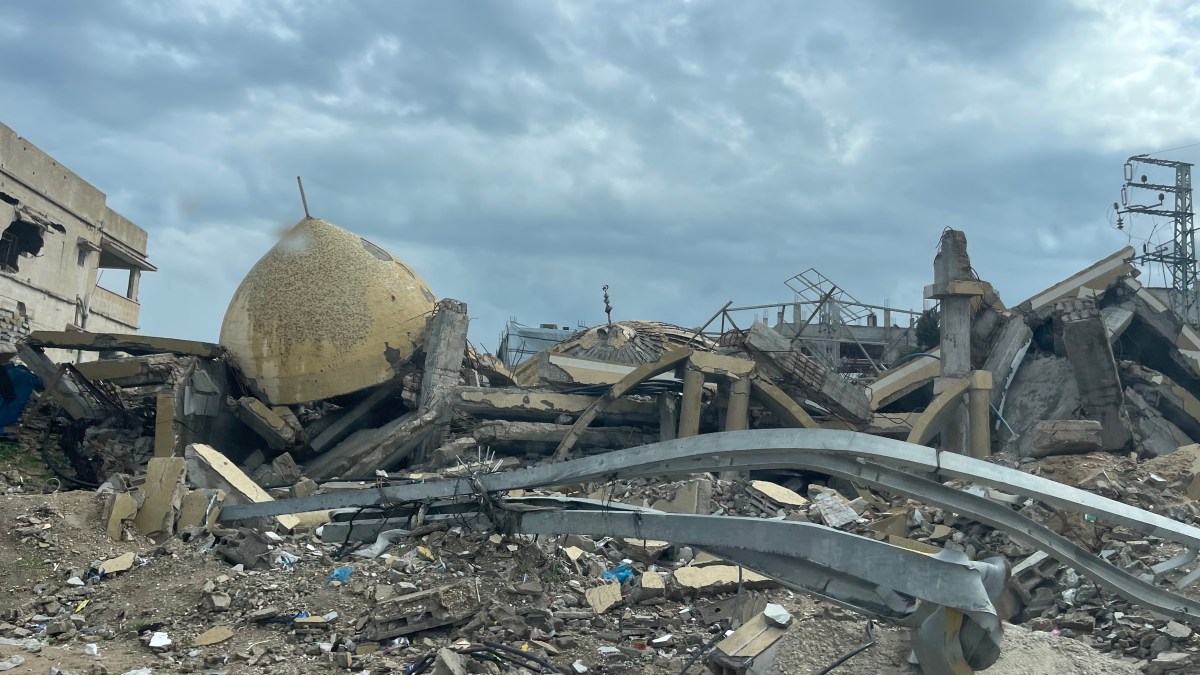
Palestine exposed the shortcomings of democracy within the framework of the nation state.
Democracy, as a mechanism, is one of the best mechanisms that the human political mind has produced for consensus and reaching settlements between differences and a way to resolve disputes away from violence.
But when democracy is confined to a particular group and is imprisoned within the trenches of nationalism, race, and color, its mechanisms break down in more than one case, especially in the face of major challenges such as the Palestine question.
The flaw, then, is not in the idea of democracy, but in the idea of the nation-state outside the framework of ethics and the values of equality for all human beings. There is no framework for ethics outside the framework of man as God’s khalifa / vicegerent on earth, the one who is entrusted to look after this world. Therefore, we demand democracy and add it to our understanding of Islam so that it emerges from the confines and the narrowness of the individual and the group to the vastness of humanity.”
The letter in Arabic:
هذه الرسالة جاءت ردا من الشيخ راشد على سؤال وجهته له وهو في سجنه قبل مداخلة مبرمجة في احدى الندوات المخصصة لتقديم الكتاب الاخير “المسلمون الديمقراطيون” مع اندرو مارش.
تمثل السؤال في ان وضعه هو في السجن وهو الداعي للديمقراطية والتوافق، لم يشفع له بل انتهى سجينا ولم يقف معه احد ألا يعني هذا ان القيم التي يدعو إليها فشلت خاصة في ضوء التناقض القيمي الذي يعيشه العالم في ضوء الاجرام الذي يتعرض له الشعب الفلسطيني والاخلال القيمية التي تعرفها المنظومة الغربية ما يشكك في منظومة قيمها وفي الديمقراطية. فكان رده في الرسالة التالية:
الخميس 15 فيفري 2024
أنا في السجن اليوم لاني دعوت إلى قيم الديمقراطية الوطنية وهي جزء من الديمقراطية الكونية للإنسان ولأن الصراع في تونس هو صراع بين الديمقراطية و اللاديمقراطية .
إن أعداء الديمقراطية يعتمدون الحداثة كقاعدة لإقصاء الخصوم الإسلاميين، ونحن في تونس وجدنا تقريبا بسبب أننا انطلقنا من قيم الإسلام ولا نجد مبررا لإقصاء من يخالفنا أو من يؤمن بالإسلام برؤية أخرى، لأننا لا نرى أن هناك ناطقا رسميا باسم الإسلام .
أنا في السجن لان قسما كبيرا من الحداثيين غير ديمقراطيين، هم يدعون الى ديمقراطية تخصهم ديمقراطية إقصائية .
نحن في نضال من أجل تونس للجميع ومن أجل ديمقراطية تسع الجميع داخل تونس وخارج تونس .
البلاد محكومة اليوم بثنائية الخير والشر، الحق والباطل، الوطنية والخيانة، هذا هو جوهر انقلاب 25 جويلية 2021: احتكار الوطنية واحتكار الإسلام واحتكار الصلاح. لذلك النظام القائم هو في حرب لا هوادة فيها ضد الديمقراطية بكل معانيها. ولا يمكن لهذا المنظور ان يجمع التونسيين. لان الله خلق الناس مختلفين، هو نظام يرى الاختلاف نقمة أما نحن فنراه رحمة.
إن فلسطين فضحت ليس الديمقراطية فقط وإنما الرؤية القومية للديمقراطية: nation state.
الديمقراطية ،كآلية، من أفضل ما أنتج العقل البشري السياسي من آليات للتوافق والوصول الى تسويات بين المختلفين وسبيل الى حسم الخلافات بعيدا عن العنف.
ولكن عندما حشرت وسجنت في خندق القومية والعرق واللون تعطلت آلياتها في أكثر من حالة خاصة أمام الامتحانات الكبيرة مثل امتحان فلسطين.
الخلل اذا ليس في فكرة الديمقراطية ولكن في فكرة “الدولة القومية خارج اطار الاخلاق”، ولا إطار للأخلاق خارج إطار الانسان خليفة الله في الأرض لذلك نحن نطالب بالديمقراطية ونضيفها لإسلام يخرج من ضيق الإنسان (الفرد) إلى سعة الإنسانية.
 P U L S E