Have 250,000 leaks sunk the State Department’s ‘Internet Freedom’ policy?
by Roy Revie
 As the fallout of Cablegate continues to consume column inches, gigabytes, and cabinet meetings across the world, the realisation that this is about more than one man, one organization, and one massive leak seems to be slowly sinking in. While some argue that stories and comment focusing on the process of the leak and the fallout for the organisation only distract from the stories contained within the cables themselves, it is clear that this element is as vital (in the short term at least) as the contents of the cables. We find ourselves in the middle of an unprecedented public debate on Internet freedom and the role of the state online. In this debate much has been written about the motives and background of Wikileaks (some bad, some excellent) while other parties involved have avoided the same scrutiny. Of particular interest in the current discussion is the role of the State Department which under Hillary Clinton’s leadership has played an important and contradictory role in the debate on Internet freedom.
Back in more innocent times, in January of this year, Hillary Clinton gave a speech at the Newseum (a 250,000-square foot monument to media complacency) in which she introduced the concept of “21st Century Statecraft” – a term referring to the recent State Department push for the use of social and new media for diplomatic and geopolitical ends. In this speech she affirmed the US’s commitment to the “principles of internet freedom”, a new Human Right for the 21st Century. Clinton waxed lyrical about the ethical, financial, political and practical reasons why freedom of access and use of the internet should be considered an absolute right – noting that America “stand[s] for a single internet where all of humanity has equal access to knowledge and ideas”. The State Department, it seemed, was committed to a comprehensive and open approach to online freedom and engagement, a new stance for a government which had hitherto tended towards a more iterative approach to interaction with the modern world.
Continue reading “Wikileaks and 21st Century Statecraft”

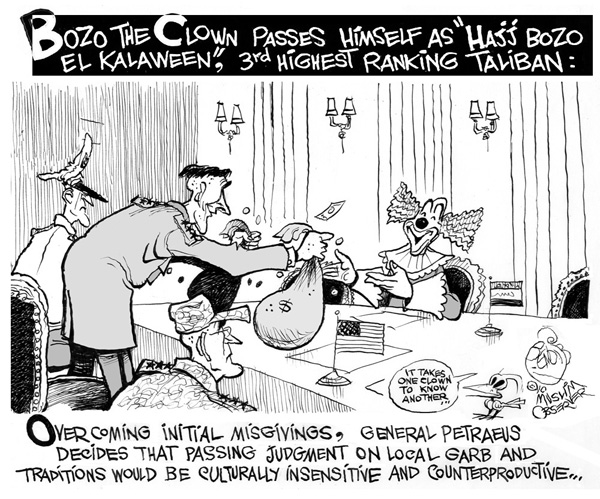
 The Wikileaks confirm what we already know about Af-Pak. Pakistan is a US satrapy: its military and political leaders constitute a venal elite happy to kill and maim its people at the behest of a foreign power. The US proconsul in Islamabad, Anne Patterson, emerges as a shrewd diplomat, repeatedly warning her country of the consequences in Pakistan if they carry on as before. Amusing but hardly a surprise is
 In 1958 a young Rupert Murdoch, then owner and editor of Adelaide’s The News, wrote: “In the race between secrecy and truth, it seems inevitable that truth will always win.”
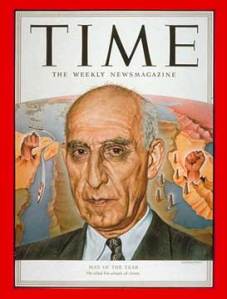 Was there ever a time when a leading organ of the US media could speak the unvarnished truth about the links between the United States and Israel?
 P U L S E