We welcome Saifedean Ammous to PULSE. Saif occasionally blogs at The Saif House and is a busy scholar and keen football aficionado.
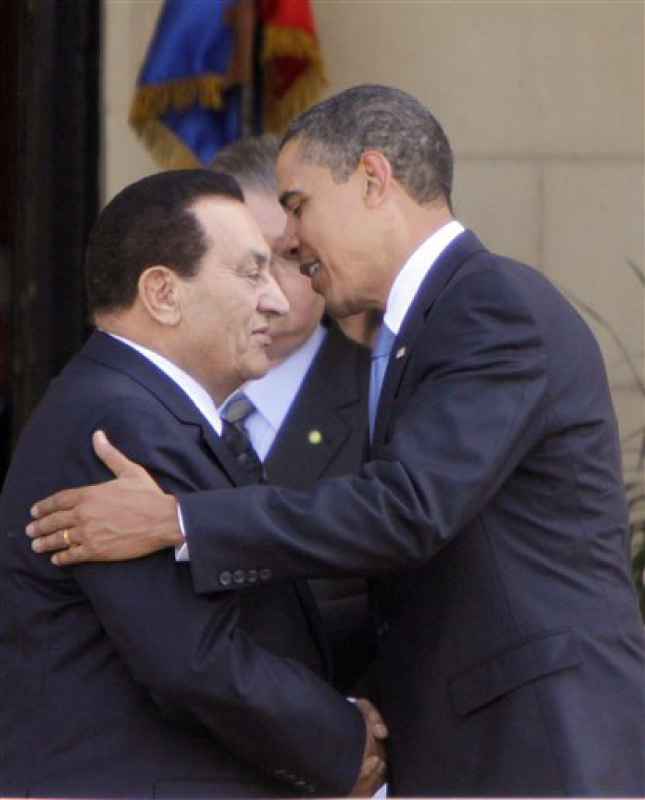
The real problem with Obama’s speech, simply, is that everyone is talking about it.
The PR geniuses who ran the greatest presidential campaign since FDR seem to have now been handed the reins of Obama’s foreign policy. PR campaigners are an improvement over the warmongers of the Bush Administration, but that, obviously, is not saying much.
For almost a month, everyone everywhere has been talking about Obama’s speech in Cairo as if it actually matters for anything. Obama’s PR/Foreign Policy team have built it up to be such a giant spectacle that people seem to have forgotten that at the end of the day, it is nothing but a speech by a man who has given several hundred speeches over the last two years. It is a collection of sounds coming out of a man’s mouth. It matters for nothing. He said nothing new, added nothing new, and affected nothing real in any real way.
If there was anything important in this speech, he could have announced it at any point in the last few weeks of build-up and gotten it over with. But creating this giant spectacle turned this speech into a global quasi-religious interpretation-fest where everyone and their dog analyzed, with ridiculous detail, every last word Obama said, how he said it, and how he looked when he said it.
So we now know what Obama’s new foreign policy is going to be: talk, speeches, platitudes, oratory and rhetoric. The good news, as Churchill would have it, is that “to jaw-jaw is always better than to war-war”. I’d gladly sit through 12 Obama speeches a day over one of Bush’s wars. The bad news, however, is that this jaw-jaw-fest has very sneakily turned everyone’s attention from what the US Government does, to what its talismanic leader says. There is no better recipe for stalling, doing nothing and maintaining the status quo.
Continue reading “Obama’s Beguiling Jaw-Jaw Still PR Amid War-War”
 Benjamin Netanyahu and Barack Obama have one thing very much in common: both of them have nearly the same vision for the future of “Palestine”. They may not recognize it yet, but sooner or later, whether Netanyahu remains in power or is replaced by someone who speaks Dove-Liberalese better, they will shake hands and agree that the only thing that really separated them in the early months of President Obama’s administration was semantics: the language each man used to describe what he saw for the future of Palestine, or “the Israeli-Palestinian conflict” – a phrase that suggests there are two sides each with a grievance that equals or cancels out the other’s and that makes a just resolution so difficult to formulate.
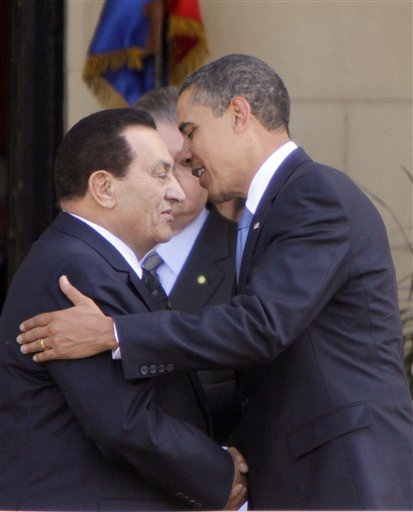

 In March US President Barack Obama made a direct address to the Iranian people to coincide with the festival of Nowruz, a sensitive and respectful message unheard of in the previous 30 years of non-existent diplomatic relations between the two countries. Now this week sees President Obama begin a tour of the Middle East and Europe in which he will “reach out to the Muslim world” in a speech in Cairo on Thursday. But with the political landscape changing, particularly the frosty relationship between the US President and new Israeli Prime Minister Benyamin Netanyahu, can we expect a similarly progressive message to the wider Muslim world this time around?
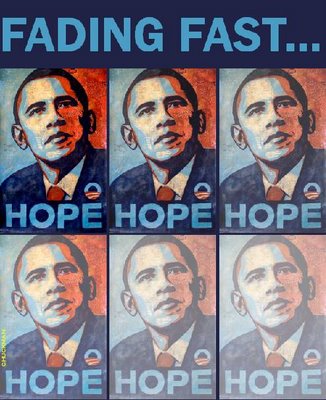 President Obama’s greatest foreign policy successes are found in the reports of the mass media. His greatest failures go unreported, but are of great consequence. A survey of the major foreign policy priorities of the White House reveals a continuous series of major setbacks, which call into question the principal objectives and methods pursued by the Obama regime.
 P U L S E