 I love it when Arab Christians have names like Omar. It shows, on their fathers’ part, a rejection of the sectarianism which cripples us. I know of a Christian family in Beirut which named its eldest son Jihad, and Muslim families with sons called Fidel and Guevara. Omar is not merely a specifically Muslim name; it’s more particularly a Sunni name, disliked by some Shia for theological-historical reasons. Omar is not a good name to have written on your ID card while driving through a Shia-militia-controlled area of Baghdad. But I know an Iraqi Shia woman whose brother is called Omar, because her father rejected the whole sorry sectarian business.
By and large, the Palestinians have avoided the curse. It’s still the case that if you ask a Palestinian whether he’s Muslim or Christian he responds, “Palestinian!” I mention this because our guide from Amman to the Allenby Bridge was a Palestinian Christian called Omar, and because the Palestinians, unlike their enemies, are proud of their diversity and pluralism.
Swaying in the bus aisle, Omar explained that Jordanian officers would check our passports but would not stamp them. “The Jordanian government has recognised Israel, but not Israeli control over the West Bank. Why are there Israeli police on the border and not Palestinians? Jordan recognises this as a crossing, but not a border.”
Surely Omar was pleased that, since the peace agreement, he could visit his family in Bethlehem? Not really: “Jordan allows every Israeli to come here. They get visas automatically when they come in. But we have to apply at the Israeli embassy, where they treat us badly, and 95% of applications are refused. I tried to go in for my uncle’s funeral, but they wouldn’t let me. This is the balanced peace we have with our neighbours.”
The Jordanian side of the crossing takes less than ten minutes. Omar collects our passports to flash at an officer while we drink water in the shade. Then back onto the bus, without Omar, and over the bridge.


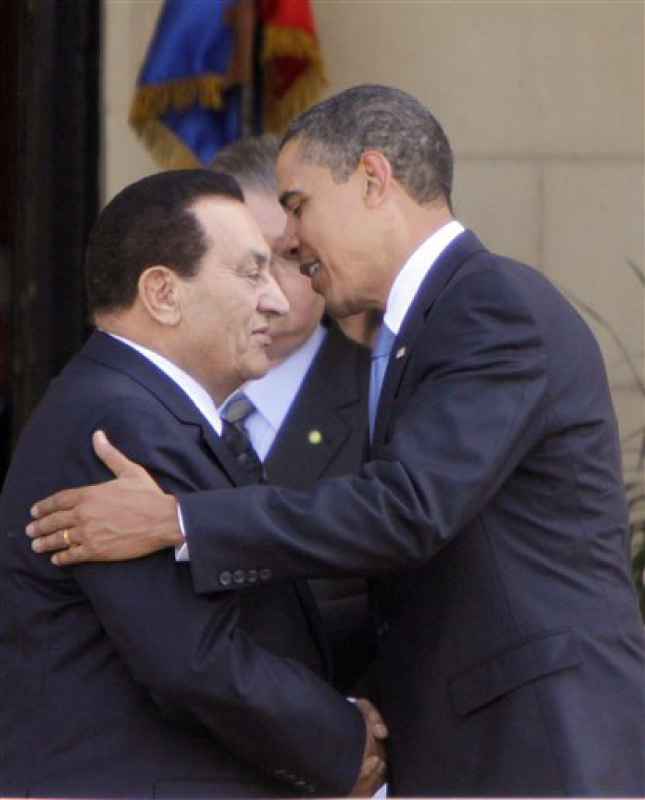

 Benjamin Netanyahu and Barack Obama have one thing very much in common: both of them have nearly the same vision for the future of “Palestine”. They may not recognize it yet, but sooner or later, whether Netanyahu remains in power or is replaced by someone who speaks Dove-Liberalese better, they will shake hands and agree that the only thing that really separated them in the early months of President Obama’s administration was semantics: the language each man used to describe what he saw for the future of Palestine, or “the Israeli-Palestinian conflict” – a phrase that suggests there are two sides each with a grievance that equals or cancels out the other’s and that makes a just resolution so difficult to formulate.
 P U L S E