From the BBC World Service’s World Have Your Say. Robin Yassin-Kassab of PULSE joins other commentators to bring you the latest developments.
Gore Vidal on the Republic and its Fall
The best interview with the late Gore Vidal that I’ve heard so far. Unsurprisingly it comes from the inimitable Christopher Lydon of Radio Open Source.
 Having read all the Gore Vidal obits and the many more-and-less grudging encomia, I find the man himself at very near his best in my own conversational files — from an evening at Harvard just before Thanksgiving in 2003, on the occasion of his publishing Inventing a Nation: Washington, Adams and Jefferson. He’d walked into the hall slowly, on a cane, that night, but his chatter was was crackling with fresh mimicry and mischief. (Two nights earlier, his reward at a joint reading in Provincetown was discovering that ancient nemesis Norman Mailer was getting around on two canes.) Great entertainer and great complainer, Vidal at 78 came through as passionate historian and erudite old comic who could still fill the house, and whose repartee was not all repertoire.
Why Afghanistan Can’t wait
by Kathy Kelly and Dr. Hakim
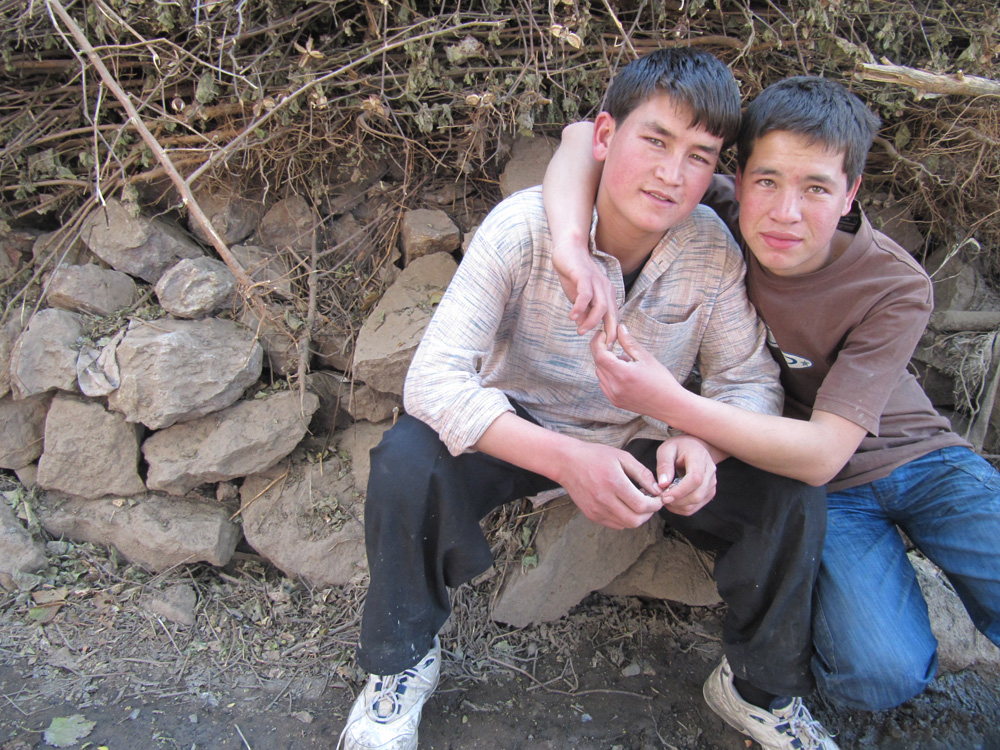
Two days ago, we spent three anxious hours in an outer waiting area of the “Non-Immigrant Visa” section of the U.S. consulate here in Kabul, Afghanistan, waiting for our young friends Ali and Abdulhai to return from a sojourn through the inner offices where they were being interviewed for visas to come speak to audiences in the United States.
They are members of the Afghan Peace Volunteers and have been invited to travel with the U.S.-Mexico “Caravan for Peace” that will be touring the United States later this summer. We didn’t want to see their hopes dashed, and we didn’t want to see this opportunity lost to connect the experiences of poor people around the world suffering from war. The organizers of the Caravan envision and demand alternatives to the failed systems of militarized policing in the terrifyingly violent, seemingly endless U.S.-Mexico drug war. They want to connect with victims of war in Afghanistan especially since, as the top producer of opium and marijuana in the world, Afghanistan has a failing war against drugs as well.
It’s an unprecedented invitation, at a desperately crucial human moment.
Controlling the web
From the new season of Al Jazeera’s Fault Lines.
In January 2012, two controversial pieces of legislation were making their way through the US Congress. SOPA, the Stop Online Piracy Act, and PIPA, the Protect Intellectual Property Act, were meant to crack down on the illegal sharing of digital media. The bills were drafted on request of the content industry, Hollywood studios and major record labels.
White Light / Black Rain: The Destruction of Hiroshima and Nagasaki
White Light / Black Rain: The Destruction of Hiroshima and Nagasaki
“This is the story of the only people to have survived a nuclear attack.”
Continue reading “White Light / Black Rain: The Destruction of Hiroshima and Nagasaki”
Hiroshima
8:15 am tomorrow will be 67 years since the bombing of Hiroshima. To mark the occasion we are publishing the classic piece by John Hersey which was rated by a hundred US editors and journalists as the greatest work of 20th century journalism. [you’ll have to scroll down to p.5 to start reading].
Continue reading “Hiroshima”
All Things Considered
Me on BBC Radio Wales discussing Syria’s Christian minority with Harry Hagopian, the lovely Nadim Nassar, and the strange English priest and admirer of the tyrant Christopher Gilham.
Inside Syria’s War
Yaara Bou Melhem of Dateline Australia manages to sneak in to Syria from Turkey to speak to members of the rebel opposition, including a rare interview with Colonel Riad al-Asaad, a leader of the Free Syrian Army.
And over the jump, Anand Gopal‘s ‘Letter from Taftanaz’ in Harper’s [Scrib’d link].
Captive Economy: The Pharmaceutical Industry and the Israeli Occupation
 One of Israel’s favorite selling points, in its campaign to rebrand itself and divert attention from its ongoing theft of Palestinian land by means of ethnic cleansing, military control and apartheid policies, is its claim to world leadership in medicine. The problem with this line of apartheid PR is, of course, the failure to mention the control the state of Israel has over the Palestinian healthcare system.
Captive Economy, a new report by Who Profits investigates the involvement of Israeli and multinational pharmaceutical industries in the occupation of Palestinian land.
Continue reading “Captive Economy: The Pharmaceutical Industry and the Israeli Occupation”
Beyond the Walls
From Al Jazeera World: “This film tells the story of Arab and Palestinian captives who were detained in Israeli jails and how they had to adapt to a new life after their release. Upon release, the prisoners faced a number of difficulties adjusting to a new life of freedom, albeit within an occupied territory. They explain their mixed feelings to the change in society, and in the political landscape, which they experienced upon being released from the day-to-day monotony of prison life. Beyond The Walls contains beautifully-filmed interviews and novel graphics to provide a moving portrait of the interviewees and the emotions and feelings they are describing.”

