by Benjamin Dangl
This article appeared at The Dominion.
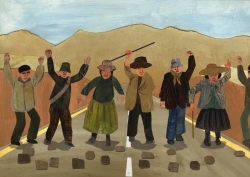
Earlier this spring, an anti-mining Indigenous movement in Peru successfully ousted a Canadian mining company from their territory. “In spite of government repression, if the people decide to bring the fight to the bitter end, it is possible to resist the pressure of mining and oil companies,” Peruvian activist and journalist Yasser Gómez told The Dominion.
The David and Goliath scenario of this anti-mining uprising highlights the vast economic inequality that has beset Peru. The country’s economy has been booming for the past decade, with a seven per cent growth expected this year—one of the highest growth rates internationally. Sixty-five per cent of the country’s export income comes from the mining industry, and investors are expected to spend over $40 billion in the next 10 years on mining operations.
Yet this growth has not benefited a large percentage of the population. The poverty rate in Peru is just over 31 per cent; in the countryside, two in three people live under the poverty line. Today, there are over 200 communities organized against mining across Peru.
Continue reading “Showdown in Peru: Indigenous communities kick out Canadian mining company”
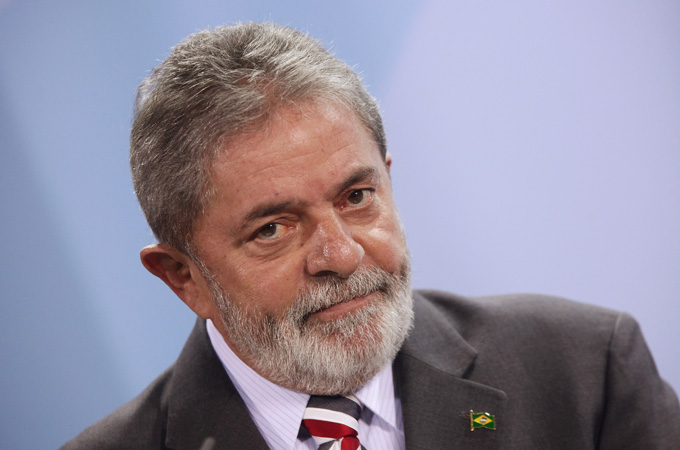
 September 11, 2001 is a world historic moment, a historical signpost – “9/11” – marking more than a deadly attack, but a moment that truly changed history, one that can help us understand both the past and the present. This week marks the tenth anniversary of the 9/11 attacks. Of the memorials given, documentaries aired and news stories published this week, few will address the causes and effects of 9/11 in a way that gives a sense of the root causes, social context and contradictions that surround that moment and continue to define our present.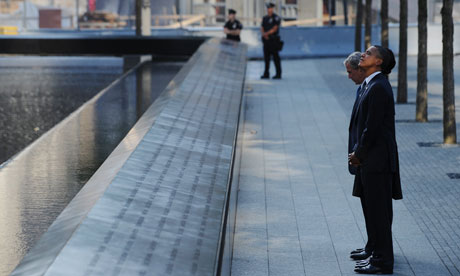


 P U L S E