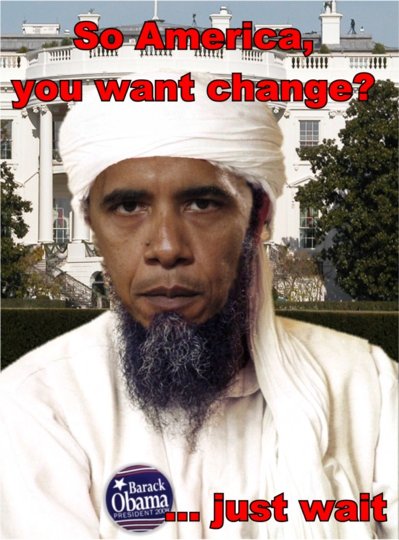
 There are numerous ways to approach this question. From a legal standpoint, many Muslims are American, having been born in the United States. Many Muslim immigrants are in possession of a United States passport, an item that ideally would be the only criterion by which one is judged “American.” National identity is only partly informed by formal citizenship, however. In the United States today, as throughout its history, citizenship is invested with crucial symbolic features. Most of the symbolic features of proper American-ness involve race or religion (wherein, say, Jews or African Americans aren’t seen to be fully American ideologically or, in some cases, legally). Another, often related, feature is political belief: dissent from what politicians and corporate media deem the national interest isn’t traditionally a welcome feature of true American-ness (i.e., the normative American). In turn, the politically-mainstream white Christian is the truest American of all.
Current conceptions of the normative American can best be detected in the recent imbroglio over the “ground-zero mosque,” a histrionic misnomer popularized by right-wing media. The proposed Muslim community center two blocks from the northeastern tip of ground zero, actually called Cordoba House, has created a national frenzy that compels us to reassess the symbolic qualities of citizenship in the United States. By expressing such loud opposition to the community center, a significant portion of Americans has again reinforced a limited definition of American-ness, in this case one that excludes Muslims from the full rights of citizenship.
 I received an education yesterday.
 P U L S E