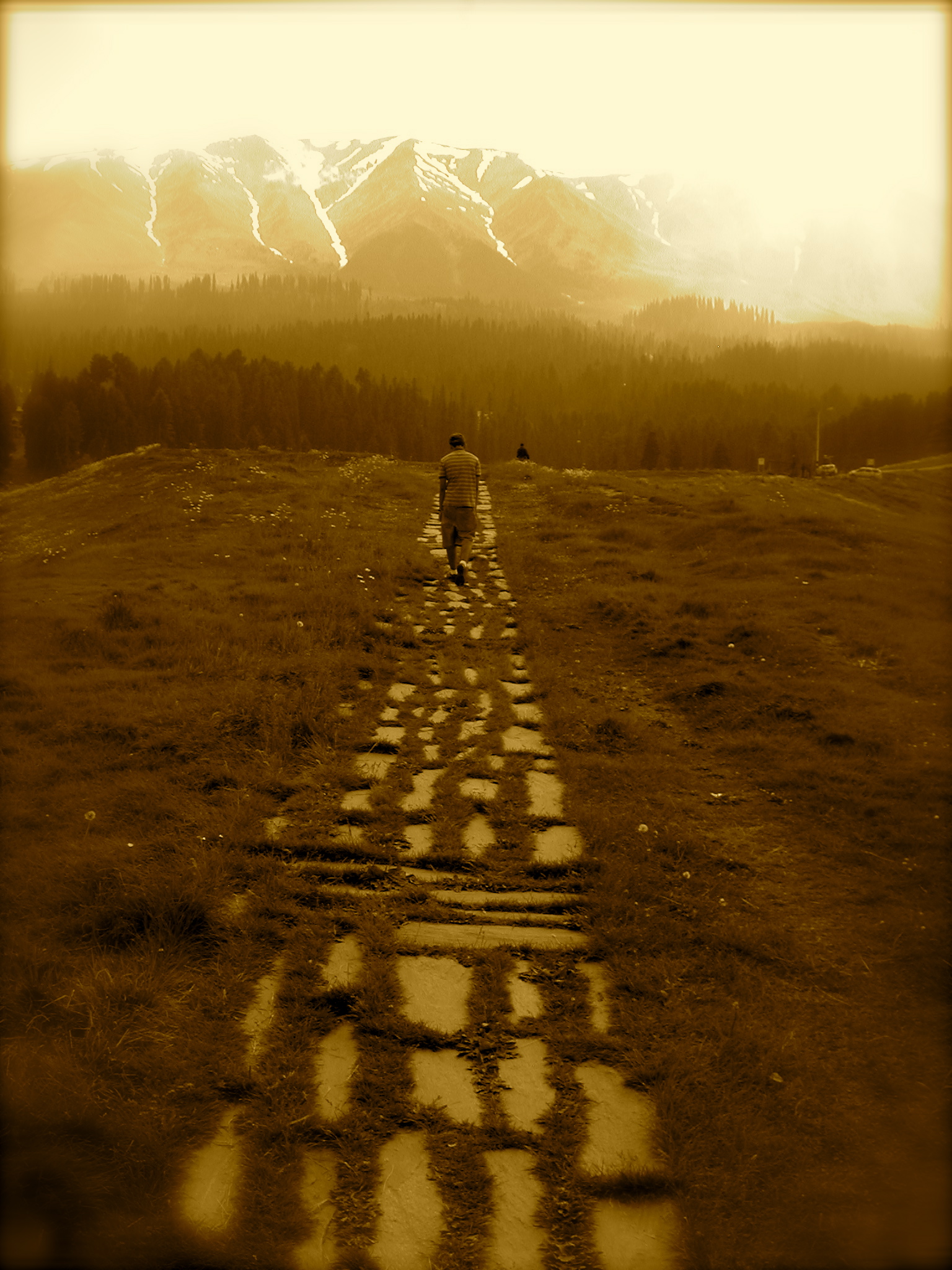
My mother comes from a sleepy village in north Kashmir. It is, indeed, picturesque. At times when she sits me down and tells me the stories of her childhood, she takes me into a dreamland. Her house there is on a hillock, a gushing clear stream runs at its foothills. There are vast fields on either side of the road. She tells me of the orchard where the finest apples grow, of the walnut trees in her garden that she used to climb (in fact, she taught me how to eat the raw, green colored walnuts, which if you know the trick, taste even better). And when she tells me that she used to swim in that stream, my heart skips a beat. I fall in love with her all over again.
The genocide in Kashmir is not over yet, but the land fertilized by the blood of innumerable, amaranthine martyrs is blossoming bouquets of tulips and roses in quick succession. New possibilities of spring, of poetry, of Azadi, of freedom, of peace are here, and they are unstanchable. I wish you were here, Shahid: Beloved, Witness, and perhaps with the slip of tongue, even Shahd, or Honey.
by Huma Dar
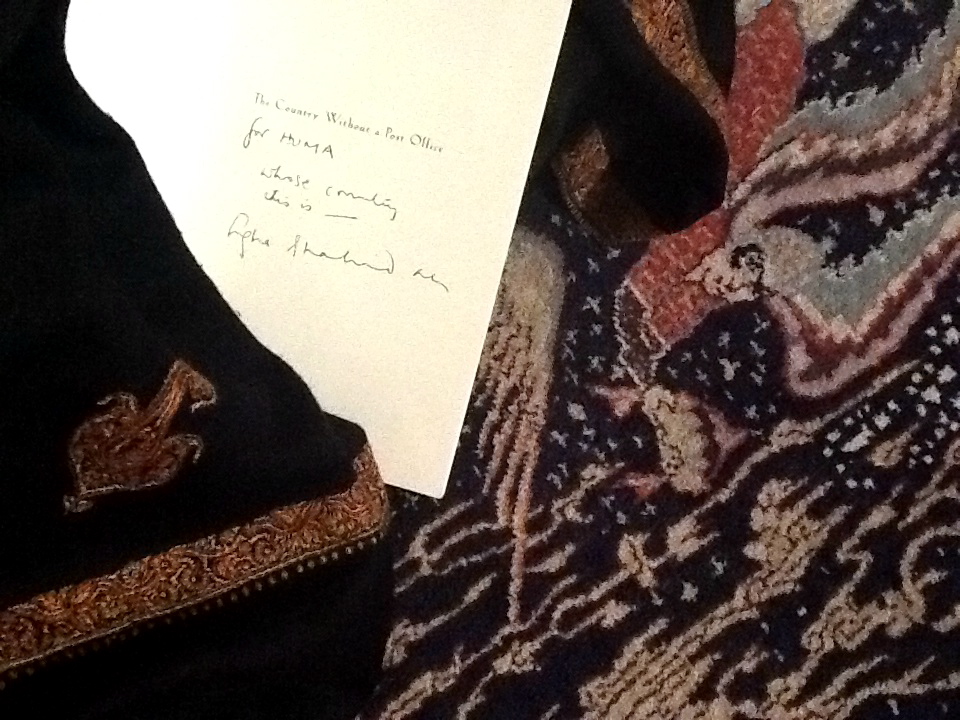
Passport to The Country Without A Post Office
I met Shahid between noon and one pm, in the Lipman Room of Barrows Hall, almost exactly thirteen years ago, on December 3, 1998. He’d come to recite from The Country Without A Post Office (1997) for the Lunch Poems Reading Series at UC Berkeley. His jokes, tinged with a very particular Kashmiri black humor — irreverent, risqué, ridiculous — mirrored my family’s wacky one. All that heartache about Kashmir, finding not many kindred souls around, found solace in Shahid’s scriptured lament, “After the August Wedding in Lahore, Pakistan.”
A brigadier says, The boys of Kashmirbreak so quickly, we make their bodies sing,on the rack, till no song is left to sing.
The story of King Leopold II of Belgium’s brutal colonisation of central Africa, turning it into a vast rubber-harvesting labour camp in which millions died.
The American Holocaust is the topic of the following lecture by David Stannard, professor and chair of the American Studies Department at the University of Hawaii. Specifically, he examines the manufactured controversy in discussing the history of Native Americans with the terms genocide and holocaust.
During the course of his argument, Stannard criticises modern day apologists for the genocide of Native Americans including Christopher Hitchens and Benny Morris. Morris, in particular, for his justification of the ethnic cleansing of Palestinians using the example of the American Indians: quoting Morris, “[t]here are circumstances in history that justify ethnic cleansing,” he adds “[e]ven the great American democracy could not have been created without the annihilation of the Indians. There are cases in which the overall, final good justifies harsh and cruel acts that are committed in the course of history.” Or as he also, rather disturbingly, put it, “You can’t make an omelet without breaking eggs. You have to dirty your hands.” Therefore the terms and significance given to the crimes against the Native Americans also take on international importance as the example of America is used to justify current and, perhaps, future crimes against humanity.
[Kashmir] has never been an integral part of India and the Indian government recognised it as a disputed territory and took it to the UN on its own accord. In 1947 we were told that India became a sovereign democracy. But it became a country as per the imagination of its colonizer, and continued to be a colonizer even after the British left the country. Indian state forcibly or deceitfully annexed the North-East, Goa, Junagarh, Telangana, etc… the Indian state has waged a protracted war against the people which it calls its own. Who are the people it has waged war against? The people of North-East, Kashmir, Punjab, etc. This is an upper caste Hindu state waging a continuing struggle against the people. Continue reading “Manufacturing Consent and Violence: Azadi, Arundhati, Hindutva Terror, and Indian Media”
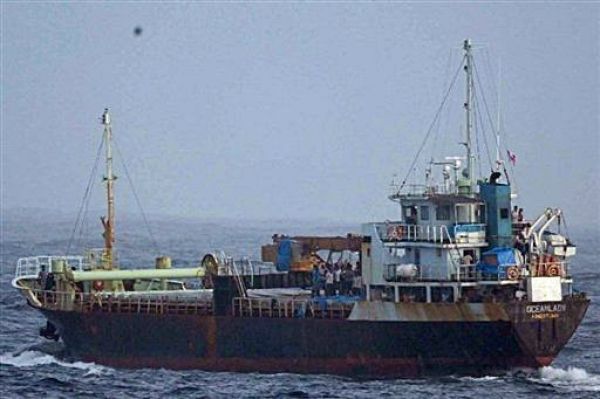
In November, 76 Tamil refugees escaped Sri Lanka on a rusty freighter. They arrived in Victoria, where they were met by Royal Canadian Mounted Police (RCMP) and Canadian Border Services Agency (CBSA) officials, who promptly jailed them for three months on allegations of terrorism. It would be fully half a year before the CBSA would admit that it had never had any evidence… In 2008, the federal and provincial governments were forced to issue apologies for the Komagata Maru. Now, two years later, if those words are to mean anything, we cannot afford to repeat history: let them stay.
In November, 76 Tamil refugees escaped Sri Lanka on a rusty freighter. They arrived in Victoria, where they were met by Royal Canadian Mounted Police (RCMP) and Canadian Border Services Agency (CBSA) officials, who promptly jailed them for three months on allegations of terrorism. It would be fully half a year before the CBSA would admit that it had never had any evidence.
By then, however, it was too late: anti-Tamil and anti-refugee hysteria had spread like wildfire. Now, mere weeks after that most tepid of mea culpas from the CBSA, the hysteria greeting the Tamil MV Sun Sea passengers is worse. As with the Ocean Lady, these migrants will be detained in Maple Ridge jails before their refugee claims are considered. The Conservatives have begun to create new rules to treat refugees who arrive by boat differently from others. Meanwhile, Paul Fromm, the infamous neo-Nazi, has been receiving uncritical coverage in mainstream media with his demands that the migrants be sent back.
As the paranoia grows ever more heightened, it becomes increasingly important that we resist it. The universal rights of safety and mobility must be upheld, not only for the Sun Sea migrants, but for all people fleeing violence.
In annexing Kashmir, Indian leaders put aside their progressive anti-colonialism, and pursued a policy that stood in direct confrontation with the goals of struggling Kashmiris. Nehru’s professed derision for princes and despots proved facile in Kashmir in this first real test of his commitment to anti-colonialism and democratic values. His decision to urge the discredited and runaway Dogra ruler to sign the imperial Instrument of Accession, and then accept it, was a defeat for the oppressed Kashmiris who had, with great sacrifices, forced the Dogra ruler out. By recognizing the authority of the Dogra ruler, Indian sovereignty over Kashmir simply replaced the sovereignty enshrined in the Dogra maharaja. But along with that sovereignty, India inherited Dogra rule’s illegitimacy as well.
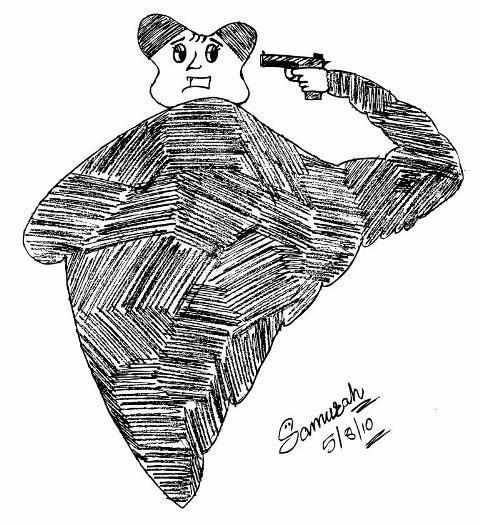
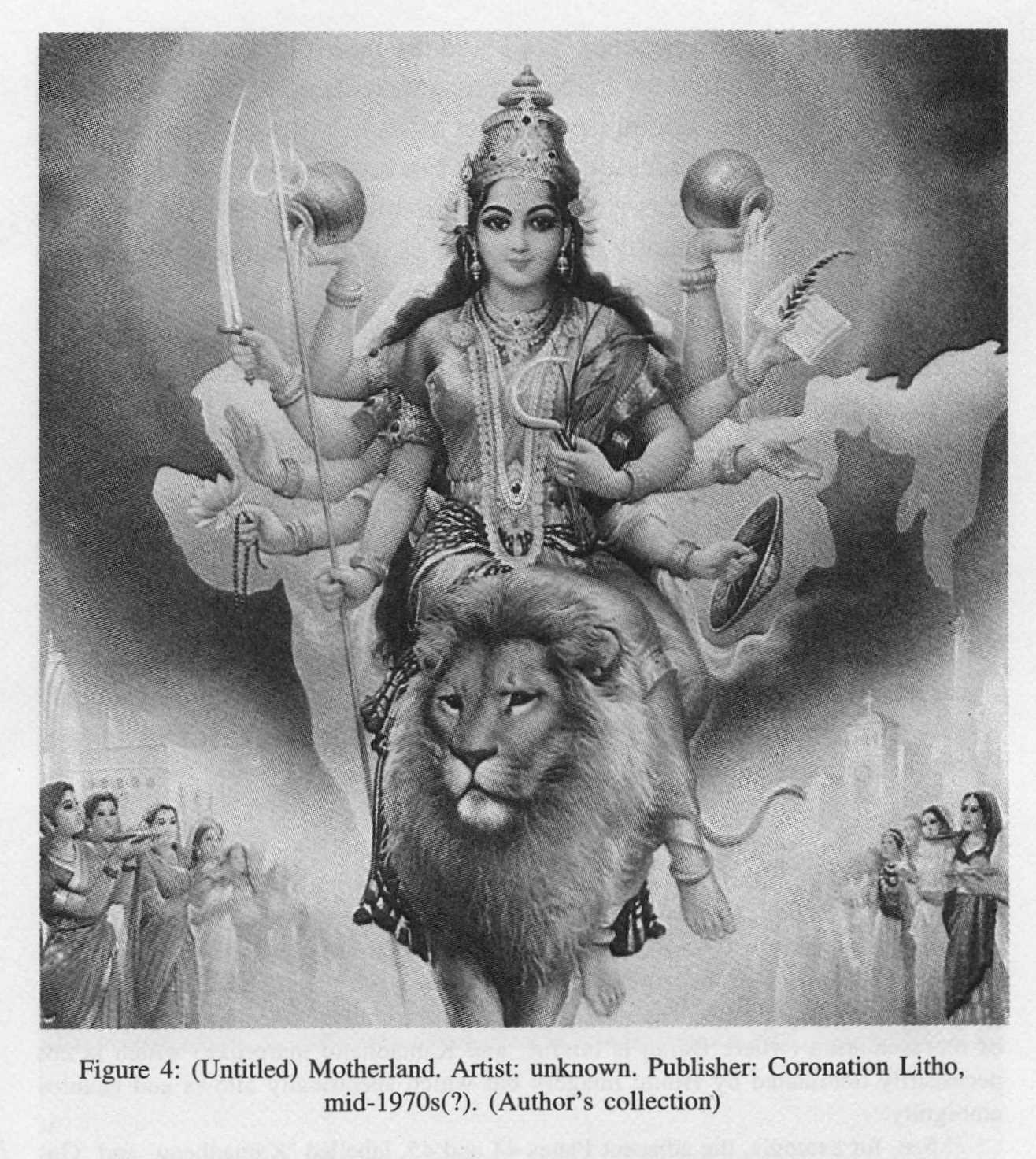
Untitled by Samurah Kashmiri, August 5, 2010Bharat Mata or Mother India
On 26 January 1992, Murli Manohar Joshi, the leader of the Hindu nationalist Bharatiya Janata Party, after travelling by road all the way from the southern tip of India, was airlifted from Jammu to the heart of Srinagar where he half-raised the Indian flag near historic Lal Chowk. All of Kashmir was put under severe curfew, and the army was given shoot-at-sight orders. Throughout the day soldiers shot dead more than a dozen Kashmiris in the streets of Srinagar. Over the previous two years, the Indian government had unleashed a reign of terror on the people, with massacre upon massacre of unarmed protestors dotting Kashmir’s timeline. Joshi’s Ekta Yatra (Unity March), protected and provided of full support by the Indian government, was an important reminder of the nature of the Indian state and the relationship it sought with the people of Kashmir. The event was designed to put on display the majoritarian character of Indian nationhood, and line up power of the state behind it to send barely coded messages to audiences in India and in Kashmir.
Lies are created around the truth of our struggle. But truth has a habit of confronting falsehood. Occupation is based on a pile of lies. There’s truth in the resistance of unarmed people on the streets. And truth triumphs in the end. It always does, even if it takes time.
by Majid Maqbool
The street is the home of our stones. Streets can be occupied, but stones are free for us to pick up, and angrily fling in the air — in protest. From the hands of the oppressed, once pelted, the stones deliver a message to the oppressor: while you kill with no remorse on my soil, and stage false encounters with all your advanced weapons, I’m not going to keep quiet. I will not let you kill us without offering resistance. I have these stones on my streets. I exist in these stones. If your occupation is in bullets, our resistance is in these rough-edged, homegrown stones.
We, who come out protesting on the streets, are not an ignorant, frustrated and unemployed lot — as the occupier likes to frame us, and the whole world seems to simplistically believe. Far from it! We are the ones who refuse to keep quiet in tyrannical times. We are the ones who shape the songs of resistance, as we practice them in our streets. It takes much courage and conviction to come out on the streets, and protest against the heavily militarized state forces. The sentiment of freedom confronts the idea of occupation. In every stone that’s pelted, there’s a promise to bring down the structures of occupation, bit by bit, crack by crack. We know in our hearts and minds that this ugly structure of occupation — built on deceit over the years — is bound to crumble one day under the force of our stones. It is this hope that keeps the resistance alive.
Can I tell how much I love peaches?
Not ordinary ones
But those plucked from
The orchards along Jhelum
The ones in the basket before me
Are nebrim for sure
But they blush like a home-grown innocence
And hold as many juicy promises
I wonder what tree bore them
I wonder if it’s wise to ignore them
The tree of life
Has many buried roots
It is said that my only son
Was killed under the canopy
Of the branches of one such tree
By the army
Also known as the security forces
An old joke
What do they secure
These so-called security forces?
Not the people, not our lives, not our liberty
Not our sentiments, nor our emotions, not our sanity
Not our sons who are shot
Nor our daughters who are raped
Not the truth, not the facts, not humanity

 P U L S E