by Huma Dar
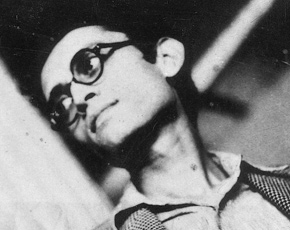
In today’s edition of Dawn.com, Jan 1, 2012, the renowned feminist poet, Fahmida Riaz has an article, “Understanding Manto,” about Urdu literature’s enfant terrible, Sa’adat Hasan Manto. This year will mark Manto’s birth centenary. Thank you, Fahmida Apa, for writing this moving tribute! Sad indeed is the day when Pakistan cannot or does not publish Manto’s work, uncensored, unedited. Despite justified indignation, knowing our “guardians of morality and piety,” it aches my heart to confess, I am not surprised.
Ironically, the “Indian pirated edition”—even if we overlook the immense ethical difficulties with the issue of piracy, and the direly-needed resources that were (and are) thus withheld from Manto and his family—is still no guarantee of accessing the “original, uncensored text.” Christine Everaert in her book, Tracing the Boundaries between Hindi and Urdu: Lost and Added in Translation (Brill, 2009) painstakingly records many elisions, omissions, and additions in just a few of Manto’s stories as they’re carried from their original Urdu to the [pirated] Hindi versions. Some of these transformations are, of course, to ease the transmission of the literary register in Urdu to Hindi; others to simply make things more palatable for Indian nationalism. (Please especially see the Chapter II of this book for many examples…)



 On Thursday, 27th of January, 2011, while the world was busy watching — or ignoring, as the case might be — the inspiring Egyptian Revolution, in broad daylight, in a very busy part of Lahore (Pakistan), in front of hundreds of eye-witnesses, American contractor, Raymond Davis, murders two or by some accounts even three people: Muhammad Faheem (aka Faheem Shamshad?) (age 26), Faizan Haider (age 22), and Ibad-ur-Rehman. Davis shoots the former two, who had allegedly threatened to rob him, from within his locked car, with seven bullets — each bullet expertly and fatally finding its mark. The windshield shows the piercing trajectory of the fatal bullets, but otherwise remains miraculously unshattered. Davis, then, emerges calmly from his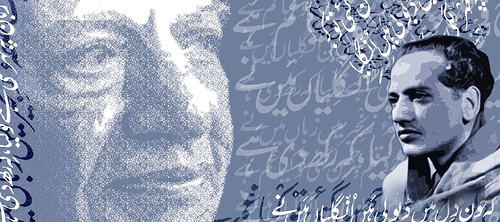
 P U L S E